Introduction
Carbon fiber products may look very similar on the surface, but their manufacturing processes can lead to completely different results. Is dry carbon fiber better, or is wet carbon fiber the right choice? The answer depends on performance expectations, weight targets, and how the part will be used. Dry carbon fiber focuses on precision, consistency, and maximum strength, while wet carbon fiber emphasizes flexibility and cost efficiency. Whether you need lightweight structural performance or reliable, visually refined carbon fiber parts for everyday applications, understanding these two carbon fiber processes will give you a clearer and deeper insight into how your products are made.
What Is Dry Carbon Fiber?
Dry carbon fiber refers to carbon fiber components made using pre-impregnated carbon fiber (prepreg), where both the outer surface layer and the internal structural layers are carbon fiber materials. Before the lay-up process begins, the resin content is already precisely controlled. There is no need to manually add resin, as the carbon fiber fabric itself contains an exact resin ratio, which improves consistency from one part to another.

During production, the prepreg layers are carefully placed into a mold, vacuum-sealed, and cured under high temperature and high pressure, typically inside an autoclave. This controlled environment removes excess resin and trapped air, resulting in a higher fiber-to-resin ratio and a more uniform laminate structure.
What Is Wet Carbon?
Wet carbon fiber, often referred to as wet lay-up carbon, is a manufacturing process in which dry carbon fiber fabric is placed into a mold and then manually impregnated with resin during production. Unlike prepreg-based dry carbon fiber, the resin in wet carbon is applied at the molding stage, allowing greater flexibility in shape and design.
This process is widely used because it is cost-effective and well-suited for small-batch production, custom parts, and complex geometries. Wet carbon fiber can achieve an excellent surface appearance, especially when proper molding and finishing techniques are used, making it a popular choice for decorative and non-structural components.
Dry Carbon vs Wet Carbon-Key Differences
Process
Dry carbon is relatively complex. Prepreg carbon fiber sheets are laid into high-precision steel molds, sealed with a vacuum bag, and then cured under heat and pressure, typically in an autoclave. This process removes trapped air and minimizes excess resin, resulting in parts with high dimensional accuracy and excellent fit with original components.
Wet carbon is comparatively simpler. Dry carbon fiber fabric is used and manually impregnated with resin during the molding process. This method offers greater flexibility for hand production, but resin content and laminate thickness can vary from part to part, leading to slightly lower dimensional precision.

Cost
Dry carbon fiber products generally come at a higher cost. Prepreg materials are expensive, require strict storage conditions, and curing equipment, such as autoclaves, significantly increases production costs.
Wet carbon fiber is more cost-effective and better suited for small-batch or custom production, especially when the part does not need to withstand high structural loads.
Performance
When performance is the top priority, dry carbon fiber has a clear advantage. Its controlled resin ratio and stricter process control allow for a higher fiber-to-resin ratio, resulting in greater strength, stiffness, and heat resistance, while keeping weight low. Dry carbon parts also offer high dimensional accuracy, smooth and uniform surfaces, and excellent wear and color-fade resistance.
Wet carbon fiber can still provide good durability and reliability, but it typically contains a higher resin content. This increases weight and may lead to uneven resin distribution, air bubbles, or visible grid patterns. Its resistance to yellowing is generally lower than that of dry carbon products.

Appearance and Texture
Dry Carbon:
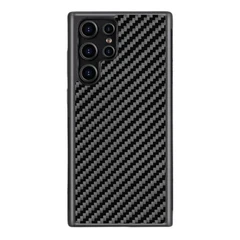
The fiber weave is clean, uniform, and finely detailed. Surfaces are smooth and glossy, with a premium feel and no obvious defects.
Wet Carbon:
The weave may appear coarser or less uniform. Resin buildup, pinholes, or surface imperfections may be visible, and grid patterns or defects can sometimes be seen on the back side.
Application Areas
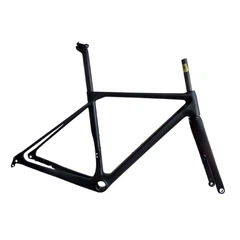
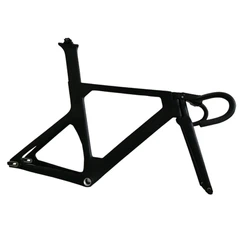
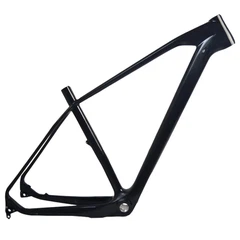
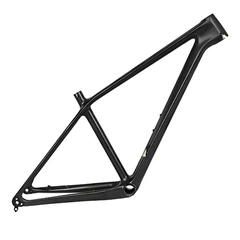
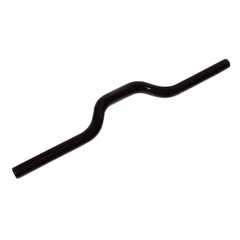
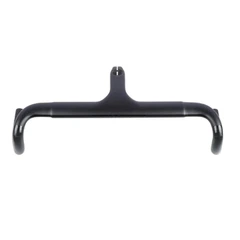
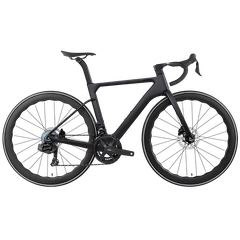
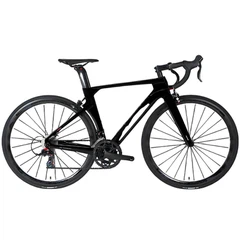
Dry carbon fiber is best suited for structural or performance-driven components where low weight, high stiffness, and repeatability are critical, such as motorsport parts, high-end bicycle components, and precision-engineered lightweight structures.
Wet carbon fiber is more suitable for decorative panels, covers, trims, and components where appearance, durability, and cost efficiency are the main considerations.
|
Key Aspect |
Dry Carbon |
Wet Carbon |
|
Process |
Prepreg layup in high-precision molds, vacuum bagging, cured under heat & pressure. Better air removal and resin control |
Dry fabric is manually impregnated with resin during molding. More flexible, but the resin and thickness can vary. |
|
Resin Control |
Precisely controlled resin content; higher fiber-to-resin ratio. |
Resin is applied during production; more likely in resin-rich areas. |
|
Weight |
Typically lighter for the same strength/stiffness. |
Often heavier due to higher resin content. |
|
Performance |
Higher stiffness and strength-to-weight, better fatigue and heat stability, and more repeatable results. |
Durable for many uses, but less consistent; performance depends heavily on workmanship. |
|
Dimensional Accuracy |
Tight tolerances, better fitment with OEM parts. |
Slightly lower precision; variation between parts can occur. |
|
Appearance & Texture |
Cleaner, more uniform weave; smoother surface; fewer pinholes/defects. |
Weave may look less uniform; possible resin pooling, pinholes, and backside grid marks. |
|
Yellowing Resistance |
Generally better when a proper, clear coat/resin system is used. |
Often lower, especially with basic resin or insufficient UV protection. |
|
Cost |
Higher |
More cost-effective |
Manufacturing Differences Between Dry Carbon and Wet Carbon
Dry Carbon
Dry carbon components are typically manufactured using pre-impregnated carbon fiber (known as "prepreg"), a material in which the resin content has been precisely controlled prior to production. Once the material is laid into a mold, it undergoes vacuum bagging and is subsequently cured under conditions of high temperature and high pressure-typically within an autoclave. This process yields components with a higher fiber-to-resin ratio, resulting in lighter weight, superior consistency, and enhanced structural integrity. Although this manufacturing method entails more rigorous requirements, the finished products boast a cleaner aesthetic, lighter weight, and a higher level of craftsmanship.
Wet Carbon
The wet carbon process begins with dry carbon fiber fabric, into which resin is introduced-either manually applied or infused-during the layup stage. The material is then formed within a mold and cured. This manufacturing method is generally more flexible and cost-effective; however, achieving the same level of precise control over resin distribution as is possible with the prepreg process remains a challenge. Consequently, wet carbon components typically contain a higher proportion of resin, which can lead to increased weight and reduced consistency in performance.
Manifestation in Finished Products
This distinction extends beyond the factory floor and is directly reflected in the final product. Dry carbon is frequently selected for "high-performance applications"-scenarios where requirements for weight, rigidity, and precision are exceptionally stringent. Conversely, wet carbon is more commonly utilized in cost-sensitive projects, where the aesthetic appeal and fundamental functionality of the product often take precedence over the pursuit of ultimate performance capabilities.
Why Dry Carbon Costs More?
Dry carbon fiber products belong to the high-end segment of carbon fiber manufacturing and involve a more complex production process. This process begins with prepreg carbon fiber, where the resin content must be precisely controlled before production starts. These materials are more expensive and require strict storage conditions to maintain their quality.
The production process itself further increases costs. Dry carbon fiber parts are typically cured under vacuum and pressure, most often in an autoclave. This type of equipment is expensive to operate and demands tight process control to achieve consistent results. Quality control is also critical. Dry carbon manufacturing places a strong emphasis on repeatability, dimensional accuracy, and structural reliability, especially for high-performance or load-bearing components.

How to Choose the Right One for Your Project
When choosing between dry carbon fiber and wet carbon fiber, the first step is to understand what your project truly requires. If lightweight performance, structural strength, and dimensional accuracy are critical, dry carbon fiber is usually the better choice. Its precisely controlled resin content and accurate curing process make it ideal for high-performance or load-bearing components.
For projects where appearance, flexibility, and cost efficiency are more important than absolute strength, wet carbon fiber can be a practical and reliable option. It is well-suited for decorative panels, covers, and components that are not exposed to extreme mechanical stress.
Production volume and budget also play an important role. Dry carbon fiber is better suited for repeatable, high-quality production, while wet carbon fiber offers greater flexibility for small-batch manufacturing or custom designs. The right choice is not about which process is "better," but which one best matches your performance goals, design complexity, and long-term expectations.
Does The Carbon World Use Dry Or Wet Carbon?
At Carbon World, all our products are manufactured using dry carbon fiber processes, adhering to stringent high standards from material selection to molding control. Through pre-impregnation of carbon fiber, precise lay-up, and controlled curing processes, our products achieve excellent rigidity and structural stability while ensuring lightweight construction. This results in long-term reliable performance and a superior appearance in practical use.
For applications that simultaneously prioritize performance and aesthetics, Carbon World's dry carbon fiber products achieve an ideal balance between functionality and design.

Conclusion
Both dry and wet carbon fiber are valuable carbon fiber solutions, but their applications are quite different. There is no absolutely "better" choice-the right choice depends on performance requirements, weight targets, appearance expectations, and budget. Understanding these differences will help you choose a carbon fiber solution that strikes the best balance between performance, reliability, and cost for your specific application.
FAQ
Q: Is dry carbon fiber always stronger than wet carbon fiber?
A: Not always, but dry carbon fiber is usually more consistent. Because prepreg resin content and curing conditions are tightly controlled, dry carbon parts often achieve higher stiffness and strength at the same weight, with much smaller variation between production batches.
Q: Which is better for structural or load-bearing parts?
A: In most cases, dry carbon fiber is the better choice for structural or load-bearing components. It offers better repeatability, tighter tolerances, and a superior strength-to-weight advantage, which is critical for parts that must handle sustained loads.
Q: Why do some wet carbon fiber parts look thicker?
A: Wet carbon fiber typically contains more resin, and additional layers may be required to reach the target stiffness. This combination can make the laminate appear thicker than a dry carbon part designed for the same application.
Q: Does dry carbon fiber have a better surface finish?
A: Generally, yes. Dry carbon fiber usually features a cleaner weave, smoother surface, and fewer pinholes. Wet carbon fiber can also achieve a premium appearance, but it often requires more post-processing to reach the same level of uniformity.
Q: Can wet carbon fiber be used for complex shapes?
A: Yes. Wet carbon fiber is often more flexible for complex geometries, prototyping, and small-batch custom parts. It allows easier adjustment during layup, especially when designs are non-standard.
Q: Which carbon fiber process offers better value?
A: It depends on the application. If lightweight performance, precision, and high strength are priorities, dry carbon fiber delivers better long-term value. If cost control and appearance are the main concerns for non-structural parts, wet carbon fiber is usually the more practical choice.