


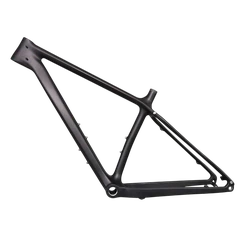
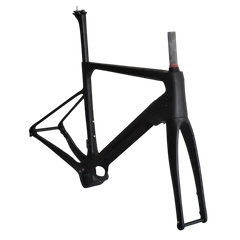









A carbon bike frame can feel rock-solid one day, then raise a scary question the next. Maybe you heard a sharp crack. Maybe you spotted a line in the paint. Or maybe the bike doesn't feel right after a crash.
The hard part is that carbon damage isn't always obvious. Some problems are cosmetic. Others can be structural, even if the outside looks fine.
This guide will help you make sense of it. You'll learn what carbon frame damage looks like, what causes it, and how to do a few simple checks. You'll also see when a carbon bike frame repair makes sense, what affects cost and turnaround time, and what to expect after a professional repair.
If you're unsure, treat it like a safety issue first. A careful decision now is better than a bigger failure later.
Is a Carbon Bike Strong Enough?
Carbon fiber is made from hair-like strands, so it's easy to believe the old myth that carbon frames aren't as strong as steel or other traditional materials. That myth sticks around, especially when people hear a scary word like "crack" and start wondering if a carbon bike can even be repaired.
What makes carbon different is also what makes it strong. Carbon frames can be molded and engineered to handle loads in specific directions. You can't really do that the same way with steel or aluminum. That's why carbon can be both light and stiff, and why it can be shaped with more aerodynamic freedom-ideas borrowed from aerospace design.

Carbon also has great fatigue resistance, which is a big reason riders love it.
But durability doesn't mean "invincible." Carbon can still be damaged, and when it is, it may look different from metal damage. Steel or aluminum might bend or dent in a way you can see right away. Carbon damage can be more subtle or show up as a crack, soft spot, or odd sound after an impact.
Common Types of Carbon Frame Damage
Not all damage is created equal. Knowing what you're looking at helps you decide if it's just a cosmetic flaw or a real problem.
Surface Scratches and Paint Chips
This is the most common type. A light scratch or a small paint crack can be cosmetic, especially if it doesn't follow the fiber direction and the area still feels firm. But paint can also hide a real crack, so it's worth a closer look after a crash.

Structural Cracks
A true carbon crack often looks like a thin line that may spread with pressure. You might also hear creaking that wasn't there before. Cracks around high-stress areas, like the bottom bracket, head tube, or chainstays, need extra caution.
Delamination
This is a sneaky one. The thin layers of carbon that are bonded together start to separate. You might see a cloudy white area under the paint, or a bubbled-up patch that feels soft when you press it.
Delamination means the structural bond has failed. It often happens after an impact that didn't crack the surface. It's a serious issue.
Impact Dents and Crushed Spots
Carbon doesn't dent like metal, but it can get crushed from a sharp hit or clamp pressure. The tube may look slightly flat, wrinkled, or uneven. These spots can be easy to miss if you only glance at the frame.

Hidden Damage at Joints
Damage often shows up where tubes meet or where hardware clamps:
Seatpost clamp area.
Bottle cage bosses.
Derailleur hanger zone.
Dropout and axle areas.
If you're not sure what you're seeing, treat it as structural until a shop confirms otherwise.
What Causes Carbon Frame Damage
Carbon frames don't usually "wear out" overnight. Most damage comes from a specific event or a slow habit that adds stress in the wrong place.
The most common causes are simple:
Crashes and tip-overs: a hard impact can crack fibers or bruise the layers inside.
Sharp hits: curbs, rocks, or a handlebar strike can crush a small area.
Over-tightening bolts: too much torque on the seatpost clamp, stem, or bottle cages can start cracks.
Clamping pressure: Work stands and roof racks can crush tubes if you clamp in the wrong spot.
Shipping and travel: drops and side impacts can damage a frame even when the box looks fine.
If you can point to a "moment" when something happened, that's often your clue. When you can't, check your torque and clamping habits first.
Signs Your Frame Needs Repair
Knowing when to stop riding is the most important safety step. Some signs are obvious, others are subtle.
The "Stop and Check" Signals
If you notice anything new after a crash or a hard hit, don't ignore it. Carbon damage can be quiet at first.

Visual Signs
Look closely under good light. These are common red flags:
A crack line that runs across or along a tube.
Spiderweb cracks that keep spreading.
A dented, wrinkled, or slightly flattened spot.
A bulge, ripple, or area that looks "wavy."
Feel and Sound Changes
Sometimes your eyes miss it, but your hands and ears don't.
A soft spot when you press the tube.
A sharp "click" or creak that started after an impact.
A dull sound in one area during a tap check compared to the rest.
Fit or Handling Feels Off
If the bike suddenly pulls to one side, feels unstable, or your wheels no longer line up, treat it seriously.
One rule is simple: if the sign is new, and you can't explain it, stop riding and get it checked.
Carbon Frame Repair Cost, Turnaround Time, and What Affects Them
Typical Cost
A basic repair for a simple crack or puncture on a tube might start around $300-$400. However, that's just the beginning. Repairs can run higher if the damage is large, in a high-stress area, or needs paint matching.
For complex damage, like a crushed chainstay, a damaged bottom bracket shell, or a fork, the price can easily climb to $600-$800 or more. High-end or rare frames sometimes cost more to fix.
Turnaround Time
Time depends a lot on the finish you want. Many shops can complete a structural repair in about 1–2 weeks. If you want a paint touch-up or a near-invisible match, it can stretch to 3–4 weeks. Shipping both ways also adds time.
What Changes the Price and Timeline
A few things move the needle fast:
Location: Head tube, bottom bracket, and chainstays usually cost more.
Size/Severity: A small crack vs. crushed fibers are different jobs.
Cosmetic Finish: Raw/clear coat is faster; paint match takes longer.
Inspection Fees: Some shops charge an intake/inspection fee before repair.
Professional Carbon Frame Repair Process
Wondering what actually happens at the repair shop? It's a precise craft, not a quick patch job.

Step 1: Inspection and Damage Mapping
A good shop starts by confirming what's cosmetic and what's structural. They'll check the area under bright light, feel for soft spots, and often do a tap test. Some shops also measure alignment so they know the frame is still straight.
Step 2: Prep and Material Removal
They remove paint around the damaged zone and cut or sand away compromised carbon until only solid material remains. This step matters because repairs don't bond well to broken fibers.
Step 3: Layup and Bonding
New carbon layers are applied in the right direction, using resin, pressure, and controlled curing. The goal is to rebuild strength, not just cover the crack.
Step 4: Finish and Final Checks
After curing, the repair is shaped smoothly. You may get a basic, clear finish or a full paint match. The shop should also re-check the area before you ride.
Carbon Frame Repair vs Replacement: How to Decide
|
Decision Point |
Repair Is Better When… |
Replacement Is Better When… |
|
Damage Size & Spread |
One small/medium spot, not spreading |
Large area, crushed carbon, or multiple spots |
|
Damage Location |
Mid-tube areas (top tube/down tube/seat tube) |
Critical zones (head tube, bottom bracket, dropouts) with serious damage |
|
How It Happened |
One clear event (crash, clamp, impact) |
Unknown history, repeated hits, or "mystery" damage |
|
Ride Feel & Alignment |
Bike tracks straight, no new weird handling |
Pulls to one side, wheel alignment looks off, or you can't confirm straightness |
|
Cost & Time |
Repair is clearly cheaper, and you can wait |
The repair cost is close to a new frame, or you need a fast solution |
|
Finish Expectations |
You're okay with a visible repair or a simple clear coat |
You need a perfect paint match, and it adds a lot of cost/time |
|
Warranty/Insurance |
Warranty is over, insurance covers repair, or you trust the shop |
Brand crash replacement/warranty applies, or insurance favors replacement |
|
Peace of Mind |
You feel confident after a pro inspection and repair plan |
You'll worry every ride, even after the repair |
How Strong Is a Carbon Repair? What to Expect After Repair
This is the biggest question. Will it ever be the same?
A professional repair, done correctly, is very strong. The goal is to restore the frame's original strength and stiffness. In many cases, the repaired section can be as strong as-or sometimes even stronger than-the surrounding original material.
That's because a good repair adds new carbon layers over a carefully prepared area. It's not just a glue patch; it's a rebuilt section of the structure.
But you should have realistic expectations. The repair is a permanent part of your frame now.
You can expect to ride just as hard as before. Race it, take it on trails, trust it. The bike should feel the same under you. That's the mark of a quality job.
Just remember one thing. While the repair itself is strong, the area around it might be slightly more susceptible to future impact. It's smart to keep an eye on it during your regular cleaning and checks.
FAQ
Q: How do I ship a damaged frame for repair?
A: Pack it with extreme care. Wrap the entire frame in bubble wrap. Use plenty of foam pipe insulation on the tubes. Place it in a rigid cardboard bike box with ample padding so nothing can move.
Q: Is a carbon repair safe for racing or fast group rides?
A: It can be, if the repair is structural and done by a reputable shop. Ask what testing or inspection they do before returning the frame.
Q: Will the repaired area be heavier?
A: Usually a little. The added carbon layers can increase weight slightly, but it's often small enough that most riders won't notice it on the road.
Q: What should you ask a repair shop before you commit?
A: Ask about: the repair method, curing process, finish options, estimated timeline, and whether they provide a post-repair inspection or warranty on the work.
Conclusion
Carbon frame damage can feel confusing, but your decision doesn't have to be. Start with the basics: identify what happened, check the frame carefully, and treat any "new and unexplained" sign as a reason to pause.
From there, the path is usually clear. If the damage is localized and a reputable shop can explain the repair plan, repairing a carbon bike frame is often a smart, safe option. If the damage is large, in a critical area, or hard to verify, replacement may be the better call.
The main goal is simple: get back to riding without doubt.
Either way, don't rush back onto the road just to "see if it's fine." Pick the option that lets you ride without worrying every time you hit a bump.