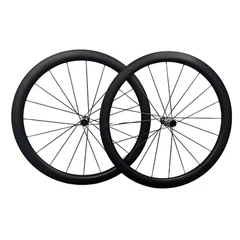
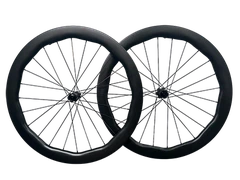
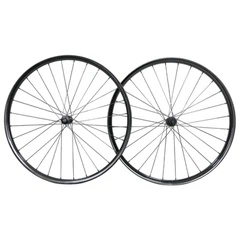
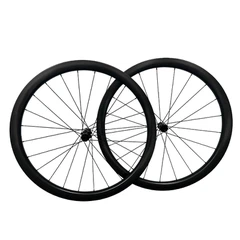
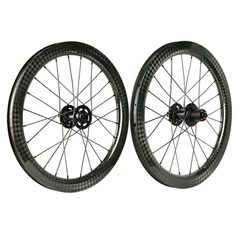

Choosing road bike wheel depth sounds simple until you actually try to buy a wheelset. One rider says 30mm is all you need. Another swears you should go 60mm or don't bother. Then you ride on a windy day and wonder if you picked wrong.
Wheel depth changes how your bike feels more than most upgrades. It can make the bike hold speed better on flat roads or feel calmer on rough climbs. It can also change how the front end reacts when a gust hits you.
The key is this: there isn't one "correct" depth for everyone. Choosing the right rim depth is one of the most important decisions you'll make when upgrading your wheels. Rim depth affects key performance factors, including aerodynamics, weight, handling, and overall ride quality.
This guide breaks it down in plain terms, so you can choose a wheel depth that you'll actually enjoy riding. Please continue reading below.
What Is Rim Depth?
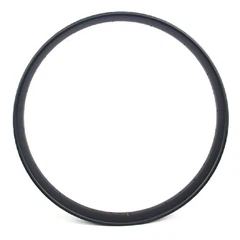
Rim depth refers to the depth of a bicycle wheel's rim, which is the vertical dimension of the rim's sidewall, measured in millimeters from the tire bead seat to the outer edge. Rim depth is important because it affects how air flows around the wheel. Deeper rims can cut through the air more smoothly, which helps you maintain speed on flat and undulating terrain. However, they are also more susceptible to crosswinds, especially on the front wheel.

Rim depth is different from rim width. Width refers to the width of the rim from one side to the other. Depth refers to the "height" of the rim from front to back.
When buying wheels, rim depth is usually the first number you see. It allows you to quickly predict the wheel's performance before you ride.
Why Deeper Wheels Can Be Faster
Deeper wheels can be faster mainly because they reduce aerodynamic drag. A deeper rim helps airflow move more smoothly around the wheel, which can reduce the low-pressure "wake" that forms behind it. Less drag means you waste less energy pushing through the air.
This matters most once you're riding at higher speeds, roughly 25–30 km/h and above, and especially on flat or rolling roads. At that point, air resistance becomes a big part of what you're fighting. So with a deeper rim, you can often hold the same speed with a little less effort, or go a little faster for the same effort.
The advantage also grows as rim depth increases, and as the terrain gets flatter. That's why deep wheels show their best side in steady efforts, time trial style riding, and long stretches of fast road.
Still, it's not free speed in every situation. Crosswinds and handling are the trade-offs you'll weigh next.
Shallow-Rim Wheels (20–35 mm)

Shallow-rim wheels are the "easy-to-use" option. They are generally lighter, the most responsive, feel quicker when climbing out of the saddle, and are less affected by crosswinds in gusty conditions. If you frequently ride on mixed surfaces or don't want to think about road conditions every time you go out, shallow-rim wheels make everything simpler.
They also tend to feel more comfortable on rough surfaces. A shallower rim depth generally means a smaller surface area exposed to the wind, so the front wheel remains stable when trucks pass or the wind direction changes.
Best Suited For
Frequently ride on hilly or mountainous terrain.
Often encounter strong gusts of wind.
Prefer stable steering and predictable handling.
Want a lighter wheelset for everyday riding.
Mid-Depth Rims (40–62mm)

Mid-depth rims are the "do-it-all" option for most road riders. They give you a real aero benefit when you're cruising at speed, but they usually stay manageable in normal wind. You'll feel them most on flat and rolling roads, where you're holding steady power and the wheel helps you keep momentum.
This depth range also works well if you ride a mix of routes. It doesn't feel as twitchy as very deep rims, and it doesn't give up as much speed as shallow rims when the pace is high. For many riders, a 45–55mm setup hits the sweet spot.
Best Suited For
Flat and rolling terrain where you ride at a steady speed.
All-around road cycling.
Long endurance routes with mixed climbs and flats.
Races and fondos on mostly smooth roads.
Cyclists who want aero gains without compromising control.
Deep Rims (62mm+)

Deep rims are built for speed on open roads. Once you're riding fast and steady, they can feel like they "hold" momentum better. That's the aero advantage showing up. You notice it most on flat terrain, long pulls, and steady efforts where you're spending a lot of time above that 25–30 km/h range.
The trade-off is handling. A deep front wheel can catch gusts and ask you to stay more alert, especially on exposed roads. If you're confident in bike control and ride in calmer winds, deep rims can be a great tool. If your routes are windy or technical, they can feel like extra work.
Best Suited For
Time trials and triathlon courses where speed is steady.
Fast race days on smooth roads.
Heavier riders who feel less pushed by crosswinds.
Stronger or more experienced riders who can handle crosswinds.
How to Choose the Right Depth for You
You don't need the "best" wheel depth. You need the depth you'll ride confidently, on your roads, at your pace.
By Riding Type
If you climb a lot or ride rough, twisty routes, shallow rims keep the bike calm and light. If most of your rides are flat or rolling, mid-depth rims are usually the easiest win. If you do time trials or triathlon-style steady efforts, deep rims can make sense because the speed stays high.
By Average Speed
Speed changes how much aero matters. If your normal cruising speed is below about 25 km/h, depth won't feel like a big upgrade. When you're often in the 25–35 km/h range, mid-depth rims start to pay you back. If you regularly ride above 35 km/h on flat roads, deeper rims can offer more.
By Wind and Roads
Wind decides the front wheel. On exposed roads, bridges, and coastal routes, a deep front rim can feel twitchy. In that case, choose a shallower front and keep the rear deeper to increase speed. On sheltered roads with steady wind, you can go deeper without fighting the bars.
By Rider Weight and Confidence
Lighter riders usually feel gusts more, so a mid-depth or shallow front wheel is often smarter. Heavier riders can handle more depth, but confidence matters either way. If you tense up in the end, pick the depth that keeps you relaxed. You'll ride faster when you feel in control.
Front vs Rear: You Don't Have to Match Depths
|
Setup Goal |
Front Wheel Depth |
Rear Wheel Depth |
Why This Works |
|
Most Stable "Everyday" Ride |
30–45mm |
40–55mm |
The front stays calm in gusts, while the rear adds some aero help without affecting steering much. |
|
Do-it-all Speed (most Riders) |
40–50mm |
50–62mm |
A balanced feel with real aero benefit. The front is still manageable in normal wind. |
|
Windy Area / Light Riders |
30–40mm |
45–55mm |
You reduce the "sail" effect up front, but keep speed gains on the rear where the wind is less scary. |
|
Flat, Fast Roads/racing Focus |
50–62mm |
62mm+ |
You get more aero where it counts. The rear can be very deep with less handling penalty than the front. |
|
Climb-First / Hilly Routes |
20–35mm |
30–45mm |
Lighter feel on climbs and quick changes. More predictable descending and cornering. |
|
One Wheelset for Mixed Conditions |
35–45mm |
45–55mm |
A safe middle ground that works across flats, rolling terrain, and moderate wind. |
Simple rule: your front wheel controls handling, so keep it a bit shallower if wind or confidence is a concern. Your rear wheel is "free aero," so it can usually be deeper without feeling sketchy.
Quick Depth Recommendations (Front vs Rear)
If you just want a safe answer, start with a slightly shallower front wheel and a slightly deeper rear. It keeps handling predictable, but still gives you real aero help.
For most riders, a 40–50mm front paired with a 50–60mm rear is the sweet spot. It works on flat roads, rolling terrain, and normal wind. You get speed without feeling like you're fighting the bars.
If you ride in strong gusts or you're a lighter rider, go calmer up front. Something like a 30–40mm front with a 45–55mm rear stays stable on exposed roads and bridges.
If your riding is mainly climbing and technical descents, keep it simple and light. A 25–35mm front and 30–45mm rear will feel steady and easy to control.
And if you're racing on flat courses in predictable wind, you can push deeper. Just remember: the front wheel is where depth becomes a handling choice, not just a speed choice.
FAQ
Q: If you can only buy one wheelset, what depth should you choose?
A: A mid-depth set is the easiest "one wheelset" answer for most riders, especially in the 40–55mm range.
Q: Can you run a deep rear wheel with a shallower front?
A: Yes, and it's a very common choice. The rear gives you "free" aero gains with less effect on steering, while the front stays calmer in the wind.
Q: Does tire width affect what depth you should choose?
A: It can. Wider tires can increase the "sail" effect in gusts, and they also change airflow around the rim. If you run 28–30c tires on exposed roads, a moderate front depth often feels best.
Q: Are deeper wheels louder?
A: They can be. Some deeper rims amplify road noise, and many aero wheelsets use hubs with louder freehubs. It doesn't mean anything is wrong-it's just part of the feel.
Q: Do deeper wheels get damaged more easily?
A: Not because they're deep. Damage usually comes from impacts, poor spoke tension, or bad tire pressure. That said, if you ride rough roads often, a depth you can control well matters more than chasing max aero.
Conclusion
The "right" rim depth means you can ride fast without struggling to control your bike. If your riding routes are hilly, winding, or have many technical sections, a shallower front wheel will generally make for a more comfortable ride. If your routes are mostly flat or gently undulating, and you can maintain speed for extended periods, a medium-depth rim is usually the best all-around choice. Deep rims are also great, but only if your routes and wind conditions allow you to remain relaxed.
Remember a simple principle: prioritize stability first, then aerodynamics. A stable front wheel will make you faster than choosing rims that look fast but feel unstable.
If you're still unsure, choose a safe combination and experiment from there. Many riders find that a medium-depth rim on the front and a slightly deeper rim on the rear works well.
When you're ready to upgrade your riding experience, consider upgrading to carbon fiber rims and wheelsets to match your riding style. Tell Carbon World about your riding route type, average speed, and tire size, and we will recommend a wheelset configuration that is both fast and stable for you.