
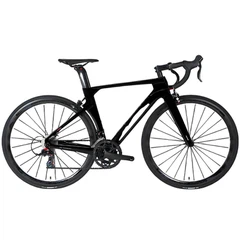
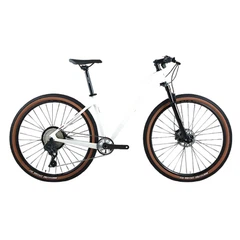
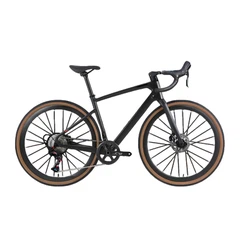
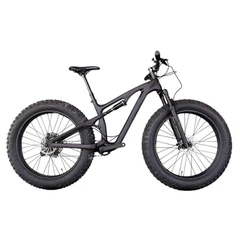


Choosing the right bicycle rim can be confusing for many riders. Hooked vs hookless rims look similar. But they perform quite differently. Using the wrong rim can cause poor tire fit, handling issues, or faster wear. These problems waste time, money, and affect riding safety.
Hooked rims have a small lip that keeps the tire secure. They work well with most tires and high air pressure. Hookless rims remove this lip, making the rim lighter and more aerodynamic. But they need the right tire and pressure to work safely.
This article explains the differences between hooked and hookless rims. You will learn which type suits your bike, its pros and cons, and practical tips for choosing. We also show how Carbon World's expertise ensures high-quality, long-lasting rims for every rider.

What Are Hooked Rims?
Hooked rims are the classic type of bicycle rims that feature a small lip or "hook" at the edge of the rim. The hook on a hooked rim provides a secure location for the tire bead to rest and, as such, provides a great deal of stability for the tire, particularly when running at higher air pressures. Hooks help to prevent the tire from popping off the rim due to cornering forces (such as those encountered during quick turns), braking forces (those that occur during hard braking), or surface irregularities (such as those found when riding over rocky trails).
As such, hooked rims have been used successfully for many years by all manner of cyclists - from professional racers to casual commuters - and are commonly used on road bikes, mountain bikes, hybrid bikes, etc. Additionally, since many tires are designed to fit onto hooked rims, riders are able to switch between different brands and models of tires more easily using hooked rims than they would using other types of rims.
Types of Hooked Rims

Clincher Hooked Rims
Clincher hooked rims are the most common type of rim used today. Clinchers are a style of tire that is held in place by the hook of the rim. Standard clincher tires are ideal for road bikes, mountain bikes, and gravel bikes.
Tubeless-Ready Hooked Rims
Tubeless-ready hooked rims were developed for riders who want to run tubeless tires without the need for an inner tube. Since there is no tube, the tire will tend to expand more quickly when inflated than standard clincher tires. In order to take advantage of this increased volume and therefore potential reduced rolling resistance, manufacturers had to redesign the hooks so that they could continue to securely hold the bead of the tire.
Aero Hooked Rims
Aero hooked rims are used primarily for track bikes and time trial bikes. Their goal is to produce as little wind resistance as possible while still being able to hold the tire securely in place. Although the edges of these rims do not have the same degree of hook as standard clincher rims, they still have enough to securely hold the tire in place.
Heavy-Duty Hooked Rims
Heavy-duty hooked rims are built for riders who carry large amounts of gear on their bikes, or for electric bikes that weigh much more than regular bicycles. Since heavy-duty hooked rims have larger hooks than standard hooked rims, they are able to securely hold the tire in place even at high loads.
Uses and Applications of Hooked Rims
Road Bikes
Since hooked rims are very effective at holding tires in place, they are a staple of road bikes. Road bikes typically run higher tire pressures than mountain bikes. High tire pressure increases the likelihood of the tire slipping out of the rim if the hooks are not sufficient. Therefore, road bikes nearly always use hooked rims to prevent tire slippage.
Mountain Bikes
As mentioned previously, mountain bikes have become increasingly dependent upon hooked rims for their ability to withstand the rigors of off-road riding. Hooked rims are effective at keeping the tire in place even on bumpy and uneven terrain. In addition to this, they help prevent tire failure by keeping the tire bead from coming loose and potentially leading to a flat tire.
Gravel and Adventure Bikes
Gravel and adventure bikes, although they have evolved from mountain bikes and road bikes, still utilize hooked rims to provide a safe and reliable connection between the tire and the rim. Gravel and adventure bikes have wider tires than mountain bikes and narrower tires than road bikes. As a result, they have a greater need for the added support provided by the hooks.
E-Bikes
Although electric bikes are heavier than conventional bicycles, many of them still use hooked rims. Heavy-duty hooked rims are available to accommodate the added weight. However, many manufacturers opt to install lightweight hooked rims instead, as the added weight is still relatively low compared to conventional bicycles.
Medical and Specialty Wheels
In addition to mountain bikes, road bikes, and e-bikes, hooked rims are also used in medical wheelchairs and specialty vehicles. Medical wheelchairs and specialty vehicles use hooked rims to provide a safe and stable connection between the tire and the rim, ensuring the user has a smooth rolling experience and does not feel unstable or uncomfortable while operating the vehicle.
Benefits & Limitations of Hooked Rims
Benefits
Secure Tire Fit
One of the primary benefits of hooked rims is that they allow for a very secure fit of the tire bead into the rim. Because of this, the tire is far less likely to slip out of the rim under extreme cornering forces, braking forces, or uneven surface irregularities.
Wide Tire Compatibility
Because most standard clincher tires are designed to be compatible with hooked rims, hooked rims can accommodate a wide variety of tire sizes and styles.
Reliable Performance
Hooked rims provide a highly reliable performance level, regardless of the surface or conditions in which they are ridden.
Easy Installation and Maintenance
Hooked rims provide a simple way to install tires onto rims, since the hook securely holds the bead of the tire in place until the tire is fully seated. In addition to this, when a tire needs to be replaced, the hooks on the rim prevent the old tire from becoming dislodged and possibly causing injury.
Limitations of Hooked Rims
Slightly Heavier
Hooked rims are slightly heavier than hookless rims. Although the difference is slight, it is worth noting for riders looking to minimize their total system weight.
Less Aerodynamic
The small lip of the hooked rim can create additional drag. Professional cyclists who seek maximum speed and efficiency may notice a slight loss of efficiency compared to hookless rims.
Tire Pressure Management
Some hooked rims require careful management of the tire pressure. Running too high a pressure can cause excessive stress on the hooks, while running too low a pressure can lead to improper tire fit and performance.
Limited Modern Design Options
While most hookless rims are designed to provide excellent aerodynamics and are therefore designed to be extremely sleek, hooked rims have fewer modern design options.
What Are Hookless Rims?

Hookless rims are modern bicycle rims without the traditional hook or lip at the edge. Instead of holding the tire bead with a hook, they rely on the tire's internal structure to stay secure. This design creates a smoother rim profile and can reduce overall weight.
These rims are popular in performance road, gravel, and mountain bikes. They work best with tires specifically designed for hookless use. Riders often choose them for better aerodynamics, lighter wheels, and improved rolling efficiency. Proper tire selection and pressure are essential for safety with hookless rims.
Types of Hookless Rims
There are several different types of hookless rims available, including Road Hookless Rims, Gravel Hookless Rims, Tubeless Hookless Rims, and Off-Road/Mountain Bike Hookless Rims.
Road Hookless Rims
Road hookless rims are designed for speed and a smooth ride. They have a hook-less edge, which is both lighter and produces less air resistance than traditional hooked rims. To safely ride with a road hookless rim, you must use a tire that is designed for hookless rims.
Gravel Hookless Rims
Gravel hookless rims are a newer development for gravel riding. They are designed for a combination of paved roads and unpaved dirt roads. Gravel hookless rims are significantly lighter than hooked rims, yet still provide the necessary support for a stable ride.
Tubeless Hookless Rims
Tubeless hookless rims are another recent innovation in the world of hookless rims. As with tubeless-ready hooked rims, tubeless-ready hookless rims eliminate the need for an inner tube. The tire now seals directly to the rim, eliminating the possibility of a pinch flat or a blowout.
Off-Road and Mountain Bike Hookless Rims
Off-road and mountain bike hookless rims were originally designed to replace heavy and cumbersome alloy rims that were used for decades. They are stronger than alloy rims and are more resistant to corrosion. Since they are lighter and more durable than alloy rims, they have become a favorite among off-road and mountain bike enthusiasts.
Advantages and Disadvantages of Hookless Rims
Advantages
Smaller Weight
Hookless rims are lighter in weight than traditional hooked rims. The removal of the hook results in a lighter rim and lighter wheel set, which enables easier acceleration and a more efficient pedaling motion.
Better Aerodynamics
Hookless rims have a clean and smooth edge compared to traditional hooked rims. The clean edge of the hookless rim reduces drag and allows riders to maintain higher speeds while requiring less energy.
Increased Tubeless Rolling Efficiency
Hookless rims provide better rolling efficiency than traditional hooked rims. The removal of the hooks and the creation of a smooth, continuous edge result in a more efficient transfer of power from the pedals to the ground.
Improve Ride Comfort
Hookless rims allow tires to move more freely inside the rim. The tire movement inside the rim allows the tire to absorb vibrations more efficiently and produce a softer and more comfortable ride.
Disadvantages
Required Tire Compatibility
Hookless rims are only compatible with tires specifically designed for hookless rims. Using a non-hookless tire with a hookless rim may damage the tire or cause the bead of the tire to slip.
Pressure Limitations
Hookless rims usually include specified limitations regarding the maximum and minimum pressure of the tire. Operating the tire at a pressure beyond the limitations of the hookless rim may increase the risk of tire blowouts or reduce tire performance.
Less Traditional Support
Hookless rims provide a smaller surface area for the tire to contact the rim; hookless rims are less forgiving than hooked rims in off-road or high-load applications.
Learning Curve for Installation
Hookless rims can be more challenging to install than traditional hooked rims. It is necessary to properly seat the tire bead onto the rim and check the pressure to ensure a safe and secure fit when installing a hookless tire.
Uses and Applications of Hookless Rims
Road Bikes
The purpose of a hookless rim on a road bike is to produce speed and a silky-smooth ride. Road hookless rims are best suited for competitive cyclists and long-distance riders. Hookless rims provide a very smooth ride and produce faster speeds than traditional hooked rims.
Gravel and Adventure Bikes
Gravel and adventure bikes benefit significantly from the use of hookless rims because of the substantial increase in rolling efficiency and comfort they provide. Hookless rims produce less drag than traditional hooked rims on paved roads, and on gravel or dirt, they absorb vibrations better and produce a more stable ride than traditional hooked rims.
Tubeless Setups
Hookless rims are ideal for use with tubeless tires. Hookless rims allow the tire to attach directly to the rim. This eliminates the possibility of a pinch flat or a blowout. Tubeless setups also avoid the necessity of tire plugs and tire levers, thereby enabling easier tire maintenance and repairs for the rider.
Mountain Bikes and Off-Road
Hookless rims really come into their own with off-road and mountain bikes. Hookless rims provide a strong, lightweight, and shock-absorbing platform for aggressive off-road riding. They can withstand high speeds, heavy loads, and extreme terrain. Such features make them the ultimate choice for serious off-road enthusiasts.
Performance and Racing Bikes
Performance and racing bikes are built for speed and efficiency. Hookless rims make the perfect addition to performance and racing bikes by providing a lightweight and aerodynamic solution for competitive cyclists. With many different tire options available that are compatible with hookless rims, riders can choose the perfect tire for their needs and preferences.
How to Choose Between Hooked vs Hookless Rims
Identify Your Tire Options
You must first define the tire type you will be using before moving forward to the next step. Hooked rims are generally compatible with most standard tire options. While hookless rims are only compatible with specific hookless-rated tires. Incorrectly selecting the wrong tire option may create issues related to fitment and increase the risk of a hazardous ride.
Assess Safety and Pressure Tolerance
Hooked rims are more forgiving of tire pressure variations and wrong tire installations than hookless rims. Hookless rims require precise pressure management. They also need proper tire seating to avoid challenges during a ride. Thus, all riders must be cognizant of these restrictions.
Determine Your Riding Style
Road bike riders who seek speed, efficiency, and aerodynamic performance may find hookless rims to be advantageous. Mountain, gravel, and adventure-style riders will generally find hooked rims preferable to hookless rims. They produce greater stability and safety when navigating rugged terrain. Ultimately, your preferred riding conditions should guide your rim selection.
Evaluate Rim Weight and Performance Needs
Hookless rims typically weigh less than hooked rims. The reduced weight contributes to quicker acceleration and improved climbing ability. Hooked rims are heavier than hookless rims due to additional materials used. They provide stability and ease of tire mounting. As such, the decision between a hooked vs hookless rim primarily depends upon your goals (speed vs. reliability).

Hooked vs Hookless Rims: What's the Difference
|
Factors |
Hooked Rims |
Hookless Rims |
|
Tire Fit |
Secures tire bead with hook; compatible with most tires (700c, 650b, 29") |
Requires tires rated for hookless use; compatible only with certain tire widths (25–50 mm for road, 2.0–2.6" for MTB) |
|
Weight |
Slightly heavier, usually 450–600 g per rim |
Lighter, typically 380–520 g per rim |
|
Aerodynamics |
Minor drag due to the hook lip |
Smoother profile improves airflow; can reduce drag by ~3–5% |
|
Riding Style |
Stable on road, gravel, MTB, e-bikes |
Best for road, racing, gravel, and tubeless setups |
|
Pressure Tolerance |
Can handle 70–120 psi (road) |
Limited; usually 60–100 psi (road), depending on tire |
|
Applications |
Road bikes, MTB, gravel, e-bikes, medical wheels |
Road, gravel, racing, MTB with compatible tires, tubeless setups |
Conclusion
Hooked rims are stable and easy to install. They work and are compatible with most tires. They handle higher air pressure and rough surfaces well. They are slightly heavier but reliable for road, gravel, and off-road rides.
On the other hand, hookless rims are lighter and more aerodynamic. They improve speed and rolling efficiency. But, they need the right tire and careful pressure management. They are best for performance road, gravel, or racing bikes.
The choice depends on your riding style and priorities. Stability and ease of use favor hooked rims. Weight and speed favor hookless rims.
At Carbon World, we provide both types of rims with precise fit and tested durability. Our team can help you pick the right rim for your bike and riding style. Contact us today to get started.