


Introduction
The bicycle chain may seem simple, but it's one of the most crucial components of the entire drivetrain. With each pedal stroke, power is transmitted to the rear wheel via the chain. When the chain is clean, properly matched, and well-maintained, the bicycle rides smoothly, quietly, and efficiently. If the chain wears out or is improperly maintained, its performance will rapidly decline. Understanding how bicycle chains work, their wear patterns, and how to maintain them helps protect more expensive components like the freewheel and chainring.
A bicycle chain transfers pedaling power from the chainring to the cassette, driving the rear wheel forward. When choosing a chain, it must match the drivetrain speed, such as 9-speed, 10-speed, 11-speed, or 12-speed.
To keep shifting smoothly and reduce drivetrain wear, clean and lubricate the chain regularly, and use a chain wear gauge to check its condition. Replacing the chain before it becomes too worn helps prevent damage to the cassette and chainrings.

What Does a Bicycle Chain Do?
A bicycle chain is the core component of the drivetrain system. Its primary function is to efficiently and reliably transfer the rider's pedaling power from the chainrings (front gears) to the cassette (rear gears), driving the rear wheel and moving the bicycle forward.
Power Transmission:
By engaging with the teeth of the chainrings and the cassette, the chain converts the rotational force generated by pedaling into driving force at the rear wheel. This is its most fundamental and essential role.
Foundation Of Shifting:
On geared bicycles, the chain must move smoothly between the chainrings and cassette cogs of different sizes. Guided by the front and rear derailleurs, the chain shifts laterally to change its engagement position, creating different gear ratios. This allows riders to choose easier or more efficient gears depending on terrain, such as climbs, flat roads, or descents.
Efficiency And Reliability:
Modern bicycle chains are precisely engineered. When properly lubricated, they can achieve a power transmission efficiency of over 98%, with minimal energy loss. Compared to alternatives like belt or shaft drives, chains can withstand higher instantaneous loads and pedaling forces, making them especially suitable for racing, mountain biking, and other high-intensity riding conditions.
System Integration And Flexibility:
The chain connects drivetrain components that are physically separated, the chainrings at the bottom bracket and the cassette at the rear axle, making common frame designs, such as the diamond frame, possible. At the same time, it offers enough flexibility to accommodate wheel movement and suspension travel while maintaining consistent power transfer.
Bicycle Chain Types
This is the most common way to classify bicycle chains. As the number of speeds increases, the spacing between cassette sprockets becomes narrower, which requires a narrower chain. Modern drivetrains typically range from 8-speed to 13-speed.

Single-speed / Fixed-gear Chains
Designed for single-speed, track, and fixed-gear bikes. These chains are the widest and most robust, with a simple structure and minimal lateral flexibility, making them extremely strong and durable.
6/7/8-speed Chains
These chains have similar widths and are often interchangeable, although matching the exact speed is recommended. They are relatively wide, highly durable, and commonly found on older or entry-level bicycles.
9-speed Chains
Slightly narrower than 8-speed chains, 9-speed chains mark the starting point for modern mid-range drivetrains.
10-speed Chains
Narrower and more precise, 10-speed chains require tighter manufacturing tolerances to ensure smooth shifting.
11-speed chains
A common choice for modern high-end road and mountain bikes. These chains are very narrow and demand high precision and advanced manufacturing quality.
12-speed Chains
Currently, the mainstream top-tier configuration is from brands such as Shimano, SRAM, and Campagnolo. These chains are extremely narrow and often designed to work with specific cassette tooth profiles for smoother, more efficient shifting.
13-speed Chains
Mainly used in top-level electronic road groupsets from SRAM and Campagnolo. These are the narrowest chains available today and have the most demanding technical and manufacturing requirements.
How Bicycle Chains Wear Over Time
Contact point wear: With every pedal stroke, the chain engages the teeth of the chainring and cassette under significant load. Microscopic metal-to-metal friction occurs between the pins and the inner plate holes, as well as between the rollers and the pins.
Clearance enlargement: Over time, repeated friction causes material loss at these contact points, gradually increasing the internal clearances between components.
Pitch elongation: The standard chain pitch is 12.7 mm (½ inch). As wear accumulates, this distance slowly increases. Once the pitch grows beyond specification, the chain can no longer mesh precisely with the teeth of the gears, leading to poor shifting and accelerated drivetrain wear.
Chain Installation Basics
First, make sure the chain is compatible with your drivetrain. Always confirm that the chain matches your system speed (9-speed, 10-speed, 11-speed, or 12-speed). Even small differences in chain width can negatively affect shifting performance.
Next, set the correct chain length. A chain that is too short can put excessive stress on the derailleur and limit gear range, while a chain that is too long reduces tension and leads to poor, inconsistent shifting. Proper chain length helps maintain drivetrain balance.
Pay close attention to chain routing. Ensure the chain runs correctly through the derailleur cage and pulley wheels. Incorrect routing is a common cause of noise and added resistance.
Use the proper connecting method. Most modern chains use a quick link. Before riding, make sure the quick link is fully seated and properly aligned.
Finally, check before you ride. Rotate the cranks, shift through all gears, and listen carefully. A quiet, smooth drivetrain is the best indication of a correctly installed chain.
How to Choose the Right Bicycle Chain
Drivetrain Compatibility
Choosing the right bicycle chain starts with drivetrain compatibility. The chain must match your bike's speed system, such as 9-speed, 10-speed, 11-speed, or 12-speed. If the chain is too wide or too narrow, it may cause poor shifting, extra noise, or faster drivetrain wear.
Brand Compatibility
Chains from Shimano, SRAM, and Campagnolo may look similar, but they can differ in size, quick link design, and shifting structure. For smoother performance, it is best to choose a chain that matches your drivetrain brand and speed.
Riding Style
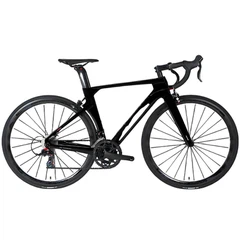
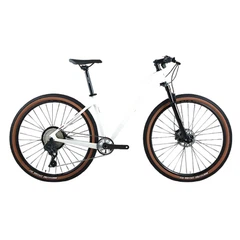
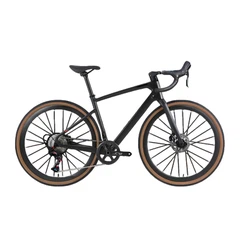
Road bikes usually need a lightweight chain with smooth shifting performance. Mountain bikes and gravel bikes require stronger durability to handle mud, dust, and impact. For e-bikes, because the drivetrain carries higher loads, a chain designed for high torque is recommended.
Chain Lubrication and Cleaning

A clean and well-lubricated chain is one of the simplest ways to improve drivetrain performance. Friction consumes energy, and the power loss from a dirty chain is far greater than most riders realize.
Regular cleaning removes dust, grit, and old lubricant, all of which accelerate wear on the chain, cassette, and chainring. Even a quick wipe after a wet or dusty ride can make a significant difference.
Choosing the right lubricant is crucial. Dry-type lubricants work best in dry or dusty conditions, keeping the chain clean and running quietly. Wet-type lubricants offer better protection in rain and mud, but require more frequent cleaning.
Apply a small amount of lubricant to each link, then wipe off any excess. More lubricant doesn't necessarily mean better performance; clean metal surfaces combined with proper lubrication result in smoother operation and a longer lifespan.
When Should You Replace a Bicycle Chain?
Bicycle chains don't suddenly break; they usually wear down gradually with repeated rides. Therefore, determining when to replace them depends on the degree of wear, not just mileage. The so-called chain elongation is essentially due to wear on the pins and rollers, causing the pitch to increase. Generally, road bikes should be replaced when the wear reaches about 0.5%, and gravel/mountain bikes about 0.75%.
The safest method is to check the chain with a chain gauge regularly. This allows for timely intervention before wear spreads to the cassette and chainring. If you notice rougher shifting, slippage or skipping of teeth when applying power, or significantly increased drivetrain noise, these are often signs that the chain is nearing the end of its life. The riding environment also affects chain life; rain, mud, and dust accelerate wear. Replacing the chain early is preventative maintenance because the cost of a new chain is far lower than replacing worn-out cassettes and chainrings, while also making riding quieter, smoother, and less strenuous.
Conclusion
Although small, bicycle chains have a significant impact on a bicycle's performance, efficiency, and component lifespan. Choosing the right chain, keeping it clean and lubricated, and replacing it before it becomes excessively worn will make your bicycle quieter, faster, and more reliable. Treating the chain as a key performance component will reward your entire drivetrain with a smoother riding experience and fewer expensive replacements.
FAQ
Q: How often should a bicycle chain be replaced?
A: There is no fixed mileage rule. Replacement depends on wear rather than distance. For road bikes, a chain is typically replaced at around 0.5% wear, while gravel and mountain bike chains can be replaced at approximately 0.75% wear.
Q: What does "chain stretch" mean?
A: A chain does not actually stretch. Instead, wear occurs at the pins and rollers, increasing the distance between chain links. This accelerates wear on the cassette and chainrings.
Q: What happens if a worn chain is not replaced in time?
A: An excessively worn chain can quickly damage the cassette and chainrings, leading to poor shifting, slipping under load, and significantly higher repair costs.
Q: Does the riding environment affect chain lifespan?
A: Yes. Wet, muddy, or dusty conditions accelerate chain wear, requiring more frequent inspection and replacement.
Q: What should you check after installing a new chain?
A: Make sure the chain length is correct, the quick link is properly seated, and the chain is clean and well lubricated to ensure optimal performance.