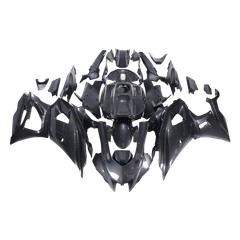
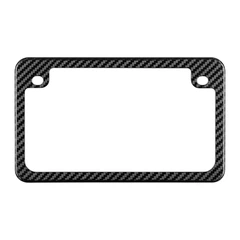
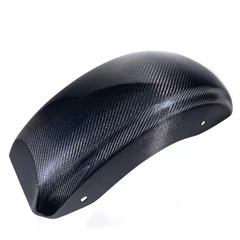
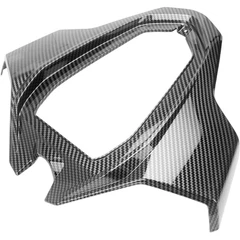
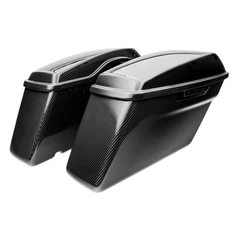
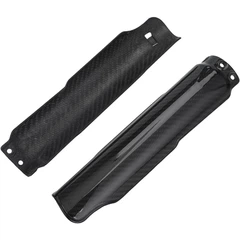
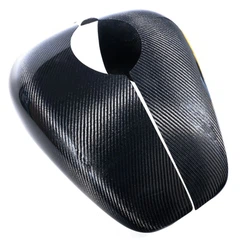
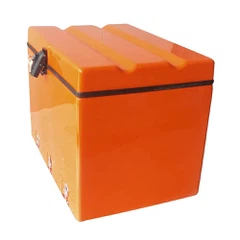
Choosing the right material for your motorcycle fairing can completely transform its performance, from weight and flexibility to crash resistance and long-term durability. Riders often hesitate between carbon fiber, ABS plastic, and fiberglass, as each material offers unique advantages depending on your riding style and budget. Whether you're looking to improve performance, replace a damaged fairing, or build a custom project, understanding the differences between these materials will help you make a confident and informed choice.
What Are Fairings and Why Material Choice Matters
A fairing is an external body panel used on motorcycles, cars, and various high-performance vehicles. Its main function is to guide airflow around the vehicle, reduce air resistance, protect internal mechanical components, and enhance overall vehicle stability at different speeds. By allowing airflow to pass more smoothly around the body, a fairing significantly improves aerodynamic efficiency. This not only helps riders maintain higher speeds with less power loss but also provides better handling stability during high-speed riding or cornering. Furthermore, it also forms a physical barrier for critical components such as the engine, wiring harness, and frame, effectively protecting against impacts from flying stones, rain, and everyday collisions.
Common fairing manufacturing materials include carbon fiber, ABS, and fiberglass, each corresponding to different performance characteristics, costs, and application scenarios.

Carbon Fiber Fairings
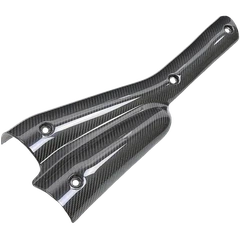
Carbon fiber is not a single material, but a high-performance composite material made by combining extremely fine carbon filaments with a matrix such as epoxy resin. This "strong-strong combination" structure gives it superior performance compared to many metal materials.
Essence of Carbon Fiber Fairings
Carbon fiber itself is composed of extremely fine, high-strength fiber bundles. When combined with epoxy resin, it forms a rigid, durable structure with a strength-to-weight ratio far exceeding that of metals or plastics.
This gives carbon fiber fairings unique characteristics: lightweight, high rigidity, and robust structural integrity.
Manufacturing Processes For Carbon Fiber Fairings
Prepreg Autoclave Molding: This is a top-tier aerospace-grade process. Pre-impregnated carbon fiber fabric (prepreg) is laid in a mold and then placed in an autoclave for curing under high temperature and pressure. This provides optimal strength, surface finish, and consistency.
Vacuum Bag Compression Molding: A vacuum bag is placed over the laid carbon fiber fabric, using atmospheric pressure to penetrate and compress the fibers with resin evenly. This is a more cost-effective process that produces parts with an excellent strength-to-weight ratio, making it a mainstream choice in the aftermarket.
RTM: A process more suitable for medium-volume production, which involves placing dry carbon fiber cloth into a mold and then injecting resin, resulting in higher efficiency and extremely smooth inner and outer surfaces of the finished product.

Features of Carbon Fiber Fairings
Extremely lightweight: Reduces vehicle weight, improving acceleration, braking, and overall agility.
Exceptionally strong and stiff: Provides excellent resistance to flexing at high speeds, maintaining aerodynamic stability.
Heat and UV resistance: Ideal for performance riding where engines and exhaust components generate high temperatures.
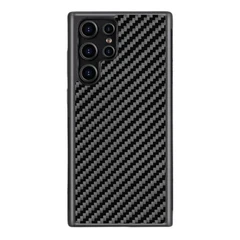
Distinctive aesthetics: The woven carbon texture delivers a high-end, motorsport-inspired appearance that many riders value as much as performance.
ABS Fairings
ABS is a widely used thermoplastic engineering plastic. Its name comes from the polymerization of three monomers: acrylonitrile provides hardness and chemical resistance, butadiene provides toughness, and styrene imparts good processability and surface finish. This "three-in-one" characteristic makes it an ideal choice for original equipment manufacturer (OEM) parts.
Manufacturing Process: ABS fairings are manufactured almost entirely through injection molding. This process involves heating and melting granular ABS raw material, then injecting it at high speed into a sealed steel mold. After cooling, the mold is demolded to obtain a uniformly shaped finished product.
Advantages: This process is highly automated, with a short production cycle, making it ideal for large-scale, standardized manufacturing, resulting in extremely low unit costs.
Limitations: However, mold opening costs are high, making it unsuitable for small-batch or customized production. The complexity and detail of the part's shape are also limited by the mold design.
Core Features
Excellent Cost-Effectiveness: Both the material itself and production costs are highly competitive, making it an economical choice for OEM replacement parts.
Excellent Toughness: Compared to brittleness, ABS is more inclined towards toughness and ductility. In the event of a minor impact or scratch, it may dent or bend rather than shatter like fiberglass or carbon fiber.
Easy processing and recycling: ABS is easy to cut, sand, and bond, making it relatively easy to repair minor damage.
Fiberglass Fairings
Fiberglass is a typical composite material, consisting of a woven fabric or felt of fiberglass filaments as a reinforcing skeleton, bonded to epoxy or polyester resin as a bonding matrix. It perfectly balances performance and cost, making it a perennial favorite in the aftermarket industry.
Manufacturing Process: Unlike the mass production of ABS, fiberglass manufacturing relies more on skilled craftsmanship, offering exceptional flexibility.
Hand Lay-up: The most basic method, where workers manually apply resin to a mold and lay down the fiberglass cloth. This method uses simple tools and is low-cost, making it ideal for small-batch customization and single-piece production, but it requires highly skilled workers, resulting in slightly less consistent product quality.
Vacuum Impregnation: A more advanced process. A vacuum bag is placed over the laid-down dry fiberglass cloth, using negative pressure to draw in and impregnate the fibers with resin evenly. This method produces parts with more precise resin ratios, higher strength, lighter weight, and better consistency.
Key Features
Fiberglass is significantly cheaper than carbon fiber but much stronger than ABS, offering a highly attractive performance trade-off.
Excellent strength and rigidity: Its strength is sufficient for most track days and aggressive driving, and its rigidity is significantly better than ABS, providing a more solid road feel.
Unparalleled repairability: This is a major highlight of fiberglass. Whether cracked, punctured, or broken, it can be repaired with resin and new fiberglass cloth, restoring most of its original strength, which is crucial for vehicles frequently driven on the track.
Advantages and limitations
Advantages: High cost-effectiveness, good strength, easy to repair and customize, corrosion-resistant.
Limitations: Weighs more than carbon fiber; sharp burrs appear at the break when damaged; requires fine putty and paint to achieve a perfect appearance, otherwise the fabric texture will be visible.
Manufacturing of Carbon Fiber, ABS, and Fiberglass Fairings

Carbon Fiber Fairings
Carbon fiber fairings are typically manufactured using prepreg layup processes, followed by vacuum bagging or autoclave curing. Layers of carbon fiber fabric are carefully arranged to match load paths and then cured under controlled temperature and pressure. This process delivers high strength, lightweight performance, and an excellent surface finish, but requires skilled labor and higher production costs. It is commonly used in high-performance applications.
ABS Fairings
ABS fairings are produced using injection molding, where molten plastic is injected into molds under high pressure. This method enables fast production, consistent quality, and lower unit costs, making ABS highly suitable for mass production and OEM applications.
Fiberglass Fairings
Fiberglass fairings are typically manufactured through hand layup or resin transfer molding (RTM). Multiple layers of glass fiber are combined with resin, shaped in molds, and then cured at room or moderate temperatures. This method is cost-effective and flexible, making it ideal for custom projects and small production runs. Fiberglass offers a good balance between strength and cost, along with the advantage of easy repair and modification.
Detailed Comparison - Carbon Fiber vs ABS vs Fiberglass Fairings
| Dimension | Carbon Fiber | Fiberglass | ABS |
| Weight & Lightweighting | Extremely light, significantly improves power-to-weight ratio and handling | Lighter than ABS, but heavier than carbon fiber | High density is not ideal for maximizing performance |
| Strength & Stiffness | Exceptional strength-to-weight and stiffness-to-weight ratios; superior resistance to deformation | High strength, but lower stiffness; can flex or vibrate under load | Good impact resistance but low rigidity; prone to permanent deformation |
| Cost & Price | Expensive raw materials and complex manufacturing | Cost-effective and common in the aftermarket | Standard OEM material; economical |
| Durability & Impact Resistance | Very strong but brittle; can crack or shatter under sharp impact | Good toughness and resistance to cracking | Highly ductile; may dent rather than shatter |
| Appearance & Finish | Signature woven carbon texture; high-tech and premium look | Customizable: Requires paint; unlimited color options | OEM finish; functional but lacks uniqueness |
| Repairability & Customization | Hard and costly to repair; difficult to restore original strength | Easy to repair, reshape, and customize | Usually replaced rather than repaired due to cost |
| Weatherability & Chemical Resistance | Resistant to UV and chemicals (with clear coat) | Depends on resin; generally durable | Prone to brittleness, fading, and poor solvent resistance |
| Manufacturing & Eco-Friendliness | Hard to recycle; labor and energy intensive | FleResin fumes and waste can be hazardous | Automated production; waste is recyclable |
Which Material Should You Choose?
The choice between carbon fiber, fiberglass, and ABS depends on your performance goals, budget, and the intended use of your vehicle. Each material has its unique advantages, so matching the material's properties to your actual needs is crucial.
For Performance and Racing: Carbon Fiber
If your goal is to achieve maximum speed, reduce weight, and enhance handling responsiveness, carbon fiber is undoubtedly the standout choice. It is significantly lighter than ABS plastic and fiberglass, helping to improve acceleration, braking response, and overall agility. With its exceptional stiffness, carbon fiber fairings maintain structural stability even at high speeds or under aggressive riding conditions, effectively minimizing unwanted flex and improving aerodynamic efficiency. Although it comes at a higher cost, the gains in responsiveness, control precision, and overall riding dynamics make it the top choice for experienced riders and track-focused applications seeking peak performance.

For Custom Projects and Repair Needs: Fiberglass
For riders focused on personalization or those who frequently need repairs, fiberglass is a practical and flexible choice. It is easy to cut, shape, and modify, making it ideal for custom builds, unique designs, and prototyping. Compared to carbon fiber, fiberglass offers greater tolerance and is more forgiving during handling and repair. It also strikes a good balance between cost and performance, making it well-suited for mid-range applications. Although fiberglass is generally heavier and less stiff than carbon fiber, its high versatility and ease of use make it a reliable option for customization and repair-focused projects.
For Daily Riding and Budget Needs: ABS Plastic
For everyday riders and those with budget considerations, ABS plastic remains the most practical and widely used material for motorcycle fairings. It offers good impact resistance, effectively handling minor drops, road debris, and daily wear without causing significant damage. When repairs or replacements are needed, ABS is far more cost-effective than alternatives like carbon fiber and is easier to source. Although it may not match carbon fiber in terms of lightweight performance or stiffness, ABS fairings prioritize reliability and ease of maintenance. For riders who value durability, convenience, and long-term cost control, ABS is an ideal choice.
Conclusion
Each fairing material delivers specific advantages depending on your goals. Carbon fiber offers unmatched performance and lightweight strength, making it ideal for racing and high-speed applications. ABS is the most practical and affordable option for everyday riders, combining flexibility with reliable durability. Fiberglass sits between the two, offering excellent repairability and customization potential at a reasonable cost.
FAQ
Q: Which fairing material is the strongest?
A: Carbon fiber offers the highest strength and stiffness among the three materials, making it the preferred choice for performance upgrades. Fiberglass is strong and flexible, while ABS provides good impact resistance but lower overall rigidity.
Q: Which material is the lightest?
A: Carbon fiber is significantly lighter than both fiberglass and ABS. This weight advantage improves handling, acceleration, and overall vehicle responsiveness.
Q: Which fairing is best for everyday riding?
A: ABS is generally the best choice for daily commuting and OEM replacements due to its durability, flexibility, and low cost. It handles minor impacts well and is easy to maintain.
Q: Are carbon fiber fairings worth the higher price?
A: Yes-if your focus is performance, weight reduction, and appearance. Carbon fiber's premium cost reflects its high strength, low weight, and distinctive finish. For riders seeking top-tier upgrades, it offers excellent long-term value.
Q: Are fiberglass fairings easy to repair?
A: Very. Fiberglass is one of the most repair-friendly materials. Cracks, dents, and surface damage can usually be fixed at a low cost, making it popular among custom builders and track riders.
Q: Which material is safest in a crash?
A: ABS handles low-speed impacts best due to its flexibility. Fiberglass tends to crack but holds together better than carbon fiber, which may shatter under a sharp, hard impact. Safety depends on impact type and severity.
Q: Which material provides the best appearance?
A: Carbon fiber offers the most premium and distinctive look due to its 3D woven pattern. Fiberglass and ABS require painting to match OEM or custom finishes.
Q: Which material lasts the longest?
A: Carbon fiber has excellent resistance to UV, vibration, and weathering-especially with a clear-coat finish. Fiberglass longevity depends on resin quality. ABS can fade or become brittle after long-term sun exposure.
Q: Which fairing material is easiest to customize?
A: Fiberglass is the most customization-friendly. It can be molded, reshaped, cut, bonded, and painted easily. ABS is more limited, and carbon fiber customization is difficult and expensive.
Q: What's the most cost-effective option?
A: ABS is the cheapest upfront. Fiberglass offers the best balance of price, durability, and customizability. Carbon fiber provides the highest performance but comes with a premium price.
Q: Where can I find high-quality carbon fiber fairings for my CBR600RR?
A: You can purchase premium carbon fiber fairings for your Honda CBR600RR at Caebon World. Caebon World specializes in pre-impregnated carbon fiber, autoclave-cured fairings, and genuine replacement panels.
Q: Are carbon fiber fairings more expensive than standard plastic ones for the CBR600RR?
A: Yes. Carbon fiber fairings are significantly more expensive than standard ABS plastic fairings. The higher price comes from the cost of carbon fiber material, precision molds, and advanced manufacturing methods such as autoclave curing or vacuum bagging. While ABS fairings are budget-friendly and easy to replace, carbon fiber fairings offer major upgrades in weight savings, rigidity, aerodynamics, and premium appearance, making them a worthwhile investment for performance-focused riders.