

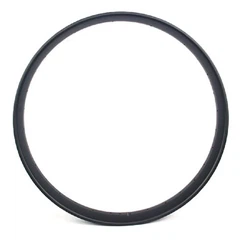
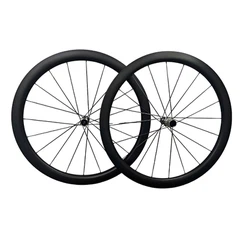
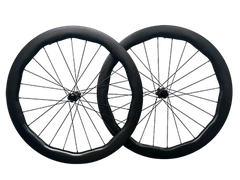
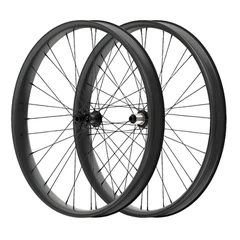
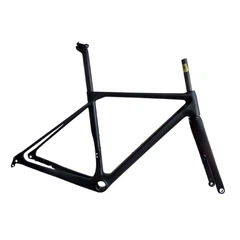
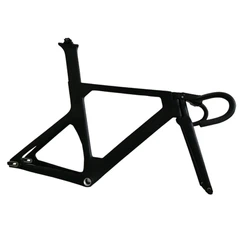
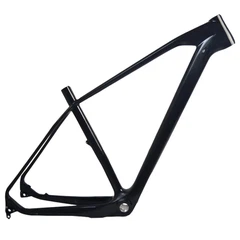
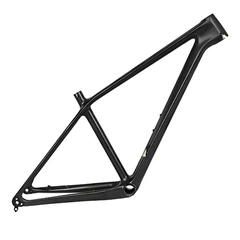
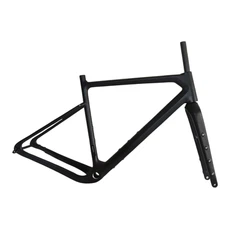
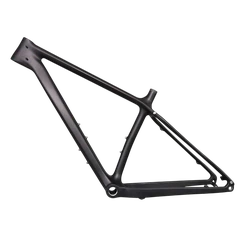
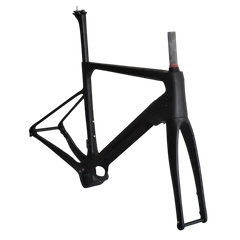
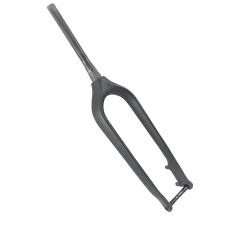
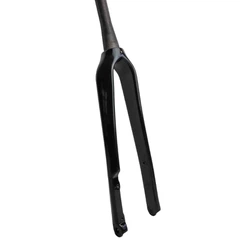
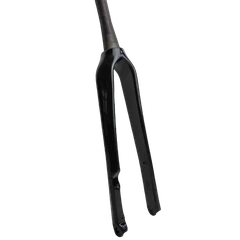
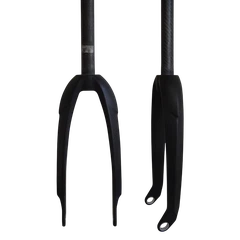
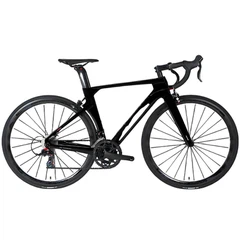
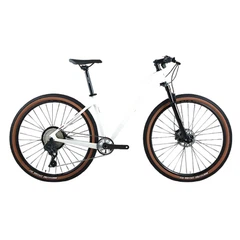
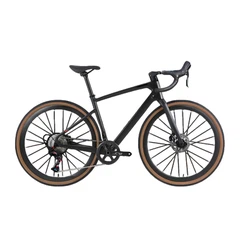
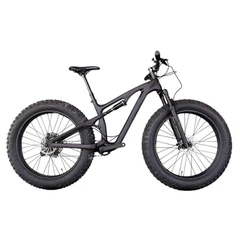
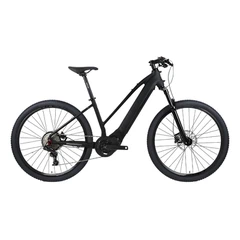
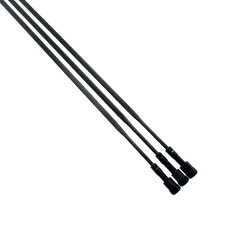
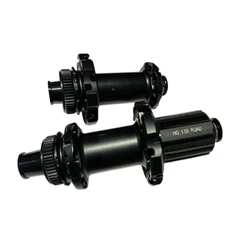
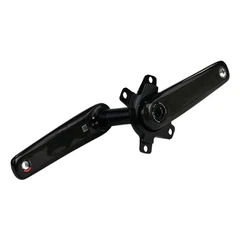
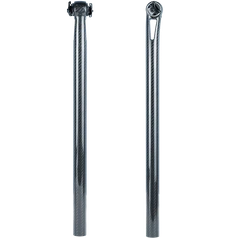
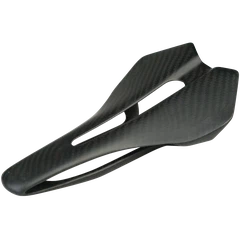
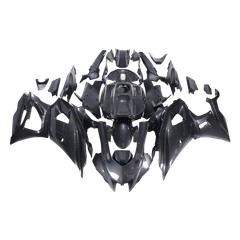
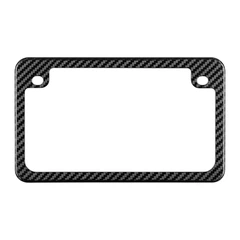
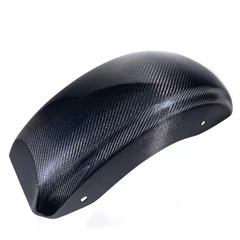
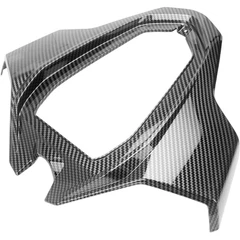
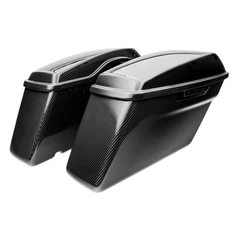
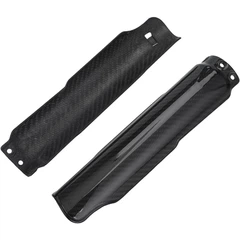
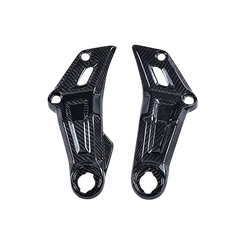
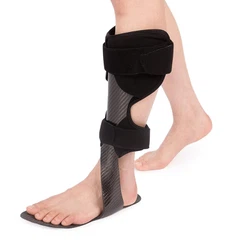
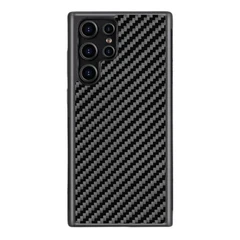
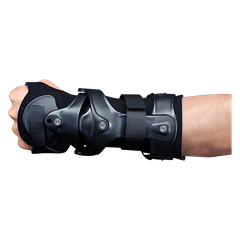
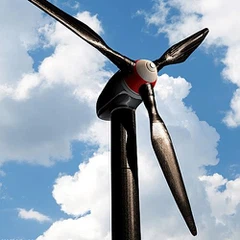
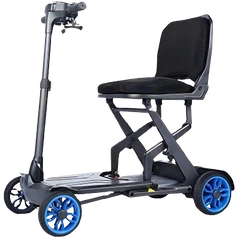
Carbon fiber is a high-performance reinforcing material composed of carbon atoms linked in a long-chain crystalline form. The diameter of carbon fibers is approximately 5μm to 10μm, roughly one-tenth the thickness of a human hair. These "black threads," thinner than a human hair, are the "black gold" of modern industry, possessing astonishing strength. In addition to strength, carbon fiber also exhibits excellent stiffness, fatigue resistance, and dimensional stability, enabling components to maintain their integrity under sustained stress, vibration, and impact. When combined with materials such as resins, metals, or ceramics, it creates even more powerful carbon fiber composites-ideal materials for aerospace, new energy vehicles, sporting goods, and even medical devices, offering both weight reduction and enhanced performance.

Different Types of Carbon Fiber
To understand the classification of carbon fiber, we first need to know what the letter "T" before the number means.
In the field of carbon fiber, "T" usually indicates the tensile strength grade. The higher the number, the higher the tensile strength and the better the performance. The earliest was T300, invented by Toray Industries of Japan in the last century. It's fair to say that Toray is the founder of the carbon fiber field. Since then, carbon fiber has undergone continuous evolution, with its performance continually improving. Eventually, T700 gradually replaced T300 as the mainstream. T700 is widely used in sports equipment due to its reliability, while T800 or T1000 are favored in aerospace or racing applications due to their extreme requirements for strength and stiffness. With higher grades, the material usually becomes stronger and lighter, but also more expensive, so the selection process requires careful balancing of performance needs and budget.
The Main Differences In Carbon Fiber Material Properties:
T300:
With a tensile strength of about 3500 MPa, a tensile modulus of roughly 230 GPa, and an elongation at break of around 1.5%, T300 offers relatively low strength and poor flexibility. It has been phased out in many high-end applications and is never used for carbon bicycle rims.
T700:
Featuring a tensile strength of approximately 4900 MPa, a tensile modulus of about 240 GPa, and an elongation at break of around 2.1%, T700 provides high strength, good toughness, and excellent durability. It is widely used in sports equipment, automotive components, and bicycle frames, rims, and spokes. It remains the mainstream material in today's market.

T800:
With a tensile strength of around 5800 MPa, a tensile modulus of roughly 294 GPa, and an elongation at break of about 2.0%, T800 delivers top-tier performance across all indicators. In virtually all applications where T700 is suitable, T800 serves as a superior, higher-grade alternative.
T1000:
Offering a tensile strength of approximately 6400–7000 MPa, a tensile modulus of about 300–320 GPa, and an elongation at break of around 1.9%, T1000 ranks among the highest-strength commercial carbon fibers available today. Excelling in strength, stiffness, and overall stability, it is commonly used in extreme high-performance fields such as aerospace components, F1 monocoques, and advanced military applications.
Key Considerations Before Selecting Carbon Fiber
Choosing the right carbon fiber requires balancing performance requirements, durability expectations, and overall project requirements. The first factor to assess is the mechanical strength required for the application. High-load structures or high-performance components (such as bicycle rims, aerospace parts, or automotive reinforcements) typically require high-grade fibers like T700 or T800, while lower-grade materials may be insufficient in terms of stiffness and fatigue resistance.
Another key consideration is stiffness and flexibility, which largely depend on the fiber's tensile modulus and the chosen weave pattern. Unidirectional (UD) fibers have maximum strength in one direction, making them ideal for structural layers, while woven fabrics such as 3K twill offer more balanced reinforcement and higher impact resistance. Designers should also consider thickness and layup design, as fiber orientation significantly impacts the final performance.
Environmental conditions also play a crucial role. Applications exposed to vibration, continuous loads, temperature variations, or potential impacts require stronger, more resilient fibers. Finally, cost and manufacturing complexity must be weighed against performance goals. High-grade carbon fiber offers superior performance but also increases material costs-therefore, the selection process is a strategic decision based on engineering needs and budget priorities. Mechanical Properties Comparison
Case Study: How We Help Clients Choose the Right Carbon Fiber
Recently, we helped a European bicycle brand launch a range of high-performance wheelsets. Their primary challenge was choosing a carbon fiber grade that balanced stiffness, durability, and cost without over-engineering the product or sacrificing riding experience. The client initially considered using hybrid materials, but their team was unclear about the performance differences between different carbon fiber grades.
After understanding their design goals-lightweight acceleration, agile handling, and long-term fatigue resistance-we conducted a comparative analysis of T700 and T800 based on tensile strength, modulus, and impact resistance. While the T800 was stiffer, testing showed that the T700 had sufficient strength to meet the target rider's needs and exhibited better resilience under repeated impacts, which is crucial for real-world riding conditions.
We also optimized the carbon fiber laminate structure, using unidirectional layers for power transmission and employing 3K woven fabric in key areas to enhance stability and aesthetics. This approach enabled the brand to create high-performance, cost-effective, and durable rims. The final product achieved a stiffness-to-weight ratio exceeding expectations and was successfully launched to the market, winning unanimous praise from cyclists for its excellent responsiveness and comfort.
Common Mistakes When Choosing Carbon Fiber
Focusing Solely On Weave Texture And Appearance:
One of the most common mistakes when choosing carbon fiber is focusing only on weave texture and appearance while ignoring material grade. Many people believe that 3K or UD finish determines performance, but the real difference lies in the tensile strength and modulus of the underlying fibers-whether it's T300, T700, T800, or higher. Choosing only an attractive weave texture without understanding its structural function will result in a component that, while looking high-end, fails to achieve the required strength or durability.
The Importance of Fiber Orientation and Layup Design:
Another common mistake is underestimating the importance of fiber orientation and layup design. Even high-grade carbon fibers will perform poorly if the interlayer arrangement does not meet actual load conditions. For example, using too much weave in areas requiring directional stiffness can lead to unnecessary bending or fatigue over time.
Resin System Selection and Its Impact on Performance
The resin system plays a crucial role in carbon fiber composites. It not only firmly bonds the fiber layers together but also directly affects the strength, durability, and long-term stability of the entire product. In the carbon fiber bicycle industry, epoxy resin remains the most widely used resin type. Cured epoxy resin can form a tightly structured composite with carbon fiber, possessing an excellent strength-to-weight ratio, superior corrosion resistance, and maintaining stable mechanical performance over long-term use. Therefore, it is currently the mainstream choice for carbon fiber frames, rims, and components.
In the higher-end market, some brands have begun using thermoplastic resins. Although significantly more expensive, thermoplastic resins offer superior impact resistance, toughness, and the ability to be repeatedly heat-repaired, effectively extending product lifespan. For users seeking top-tier durability, strength, and maintainability with a sufficient budget, thermoplastic resins are undoubtedly a more advanced solution.
UD vs 3K

|
Feature |
UD (Unidirectional) |
3K Woven (Twill / Plain) |
|
Fiber Orientation |
Single direction |
Interlaced in two directions |
|
Strength Characteristics |
Maximum strength along fiber direction |
Balanced strength across multiple directions |
|
Stiffness |
Higher directional stiffness |
More uniform stiffness, improved stability |
|
Impact Resistance |
Moderate |
Better impact absorption |
|
Weight |
Slightly lighter |
Slightly heavier due to weaving |
|
Appearance |
Smooth, clean, technical look |
Classic carbon pattern, visually premium |
|
Common Uses |
Structural layers, high-load zones, performance components |
Surface layers, impact zones, aesthetic finishing |
In short, selecting carbon fiber bicycle materials is a combination of science and experience. Only by thoroughly understanding the fiber characteristics, resin properties, and process details can one achieve a balance between performance and cost.
FAQ of Carbon Fiber
Q: Where can I find high-quality carbon fiber motorcycle parts?
A: Carbon World, a reputable manufacturer, typically offers in-house production, certified materials, and rigorous quality control processes. Their extensive experience in carbon fiber bicycle manufacturing allows them to create a one-stop solution for your carbon fiber bicycle needs.
Q: Which brands offer the best carbon fiber bicycle parts?
A: Reputable brands focus on premium materials like T700 or T800, precision layup techniques, and certified testing standards. Brands that publish real-world test data (impact, fatigue, and tensile properties) are generally more reliable.
Q: Where can I buy high-quality carbon fiber BMX rims online?
A: Choose websites that clearly list rim depth, inner width, material grade, and testing standards. Established carbon fiber experts and direct-from-the-factory suppliers typically offer better prices and proven quality. Carbon World, for example.
Q: How do I choose the right carbon fiber grade?
A: Choose the appropriate carbon fiber grade based on your performance needs. T700 is the most versatile in terms of strength and durability, while T800 offers higher stiffness, suitable for racing or high-load applications.
Q: Is T800 better than T700?
A: T800 has higher tensile strength and modulus, making it stiffer and lighter. However, T700 generally offers better toughness and impact resistance. The "better" choice depends on the intended use.
Q: Which weave is best for bicycles?
A: Unidirectional (UD) fibers offer maximum directional stiffness and are ideal for structural layers. 3K woven fabrics offer multidirectional strength and a classic carbon fiber look and are often used as top layers for enhanced aesthetics and stability.
Q: How thick should carbon fiber layers be?
A: Thickness depends on the load requirements of the component. High-stress areas often use multiple UD layers to increase stiffness, while woven fabrics are used in areas requiring impact resistance. A well-designed laminate structure can balance weight, strength, and safety.
Q: Can carbon fiber withstand high temperatures?
A: Most carbon fibers remain stable at temperatures well above 1000°C, but actual heat resistance depends on the resin system. Epoxy resin composites typically withstand temperatures of 120–180°C, while high-performance resins can withstand even higher temperatures.
Q: Is carbon fiber waterproof?
A: Yes. Carbon fiber itself does not absorb water, and when properly cured with the resin, the composite is completely waterproof and resistant to moisture, humidity, and corrosion.
Q: Does carbon fiber expire?
A: Uncured carbon fiber prepreg has a limited shelf life due to resin aging and must be refrigerated. Finished carbon fiber components, once fully cured during production, do not "expire," but should be periodically inspected for impact damage.


