

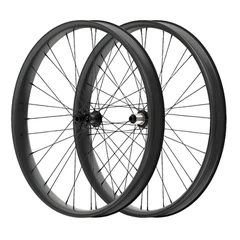
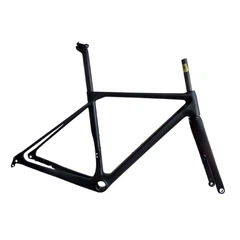
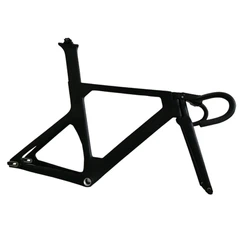
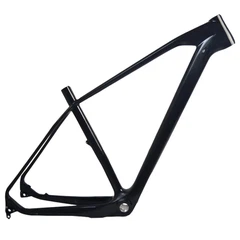
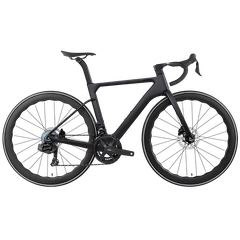
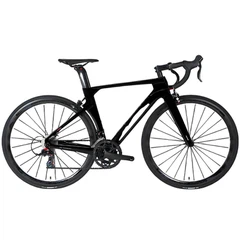
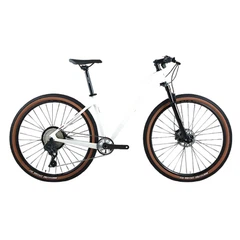
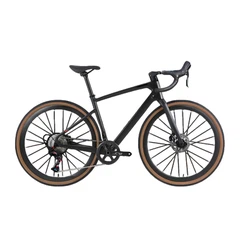
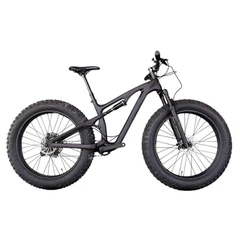
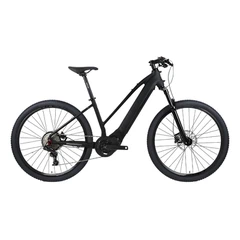
As a representative of the high-end bicycle market, carbon fiber bicycles have become the first choice of professional cycling enthusiasts and high-end consumers due to their excellent strength-to-weight ratio, precise layup design, and excellent shock absorption performance. Their lightweight advantage not only improves climbing and acceleration capabilities but also has significant performance advantages and an irreplaceable position in competitive competitions, long-distance cycling, and high-end leisure cycling markets. This article will deepen your understanding of carbon fiber bicycles from the perspective of carbon fiber bicycle technology.
What Is Carbon Fiber Material
Carbon fiber is a high-performance material composed of extremely fine carbon filaments and a resin matrix. The fiber is the primary load-bearing element, determining the overall strength and rigidity. Common carbon fiber types are unidirectional (UD) and woven (3K/12K/24K/custom patterns). The resin binds the fibers together, ensuring structural stability and durability. Epoxy and reinforced resins are common. Epoxy resin is commonly used in the carbon fiber bicycle industry, offering excellent adhesion, fatigue resistance, and stability.

Carbon Fiber Layup Design
In the design process of a carbon fiber bicycle, the layup method directly determines the frame's stiffness, compliance, and overall performance. Engineers typically divide the design into two major requirements: a high-stiffness layup and a compliant layup, and then optimize the overall structure by combining geometry and fiber orientation.
High-stiffness layup: In key stress-bearing areas such as the bottom bracket, downtube, and headtube, unidirectional fibers are laid along the primary load direction to maximize tensile stiffness and torsional strength.
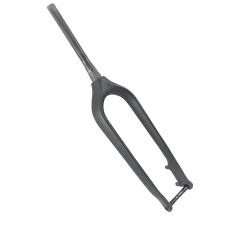
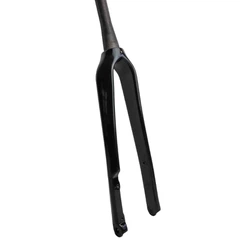
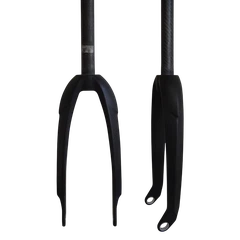
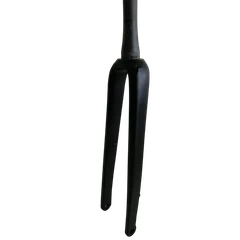
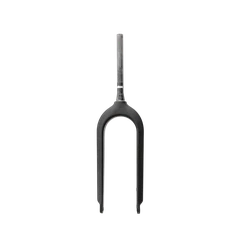
Compliant layup: In areas such as the rear triangle, fork, and seat tube, a certain degree of flexibility is required. Engineers use cross-laying (±45°) or braided fiber structures to absorb lateral and vertical vibrations, thereby improving riding comfort and fatigue performance.
Fiber orientation and geometry also have a key impact on structural performance:
Fiber orientation: 0° primarily supports axial tension, 90° provides lateral support, and ±45° resists shear and torsional forces. Therefore, properly distributing fiber angles in different areas effectively balances stiffness and toughness.
Geometry: Stress concentration is easily generated in the curved surface or connection transition area of the carbon frame. To avoid potential crack propagation, multi-layer and multi-angle laying methods are usually used to disperse stress.

Manufacturing Process
The entire manufacturing process directly impacts the mechanical properties, aesthetic quality, and service life of a vehicle frame, so every step must be rigorously controlled during the design and production stages. Common manufacturing processes include:
Hand layup, in which experienced technicians lay carbon fiber prepreg layer by layer, allows for complex shapes and customized designs.
Vacuum bagging, through vacuuming in a sealed environment, tightly fits the fibers to the mold, reducing air bubbles and uneven resin distribution, thereby improving the density and overall mechanical properties of the composite.
Autoclave curing, which cures composites under high temperature and pressure, minimizes porosity and delamination defects, achieving performance approaching that of aerospace-grade composites. However, this involves high equipment costs and relatively low production efficiency.
Post-processing, including trimming, sanding, drilling, and painting, ensures the aesthetics and functionality of the frame.
Quality Inspection: Common defects include delamination, porosity, and resin-rich areas. Non-destructive testing, such as ultrasonic testing, X-rays, or CT scans, ensures structural integrity.
Testing Process
After completing the manufacturing process, carbon fiber bicycle frames undergo a series of rigorous testing procedures to ensure their safety, durability, and performance under real-world riding conditions.
Fatigue testing simulates the effects of cyclical loads on the frame during long-term riding. By applying thousands of repetitive stresses, the test examines deformation, crack growth, and performance degradation of the material and structure over time, thereby evaluating the durability and lifespan of the frame.
Impact testing primarily assesses the frame's resistance to damage from sudden collisions or drops. The testing simulates various impact angles and forces, observing the frame's structural response and failure modes under transient high-energy loads to ensure rider safety in unexpected situations.
Static load testing applies concentrated or distributed forces under extreme loading conditions to measure the frame's deformation, stress distribution, and potential failure points, verifying its structural strength and safety margin. These complementary testing procedures comprehensively evaluate the mechanical properties of carbon fiber frames from multiple perspectives, ensuring that each finished frame achieves the optimal balance between lightness, rigidity, and reliability, providing riders with a stable, safe, and comfortable riding experience.
Comfort and Vibration Absorption
The vibration-absorbing properties of carbon fiber composites in bicycle frames are one of the key reasons for their widespread use in high-performance cycling. The material itself is both strong and lightweight, and it absorbs vibrations and shocks from the road through minimal elastic deformation, which is crucial for comfort during extended rides. The frame's laminate thickness, resin type, and fiber layup orientation play a key role in this vibration-absorbing effect. Thicker laminate structures increase localized compliance while maintaining strength, while high-performance epoxy or reinforced resin systems effectively disperse energy under stress, reducing impact transmission to the rider.
Frame compliance is primarily reflected in key areas such as the seat tube, chainstay, and front fork. Through appropriate laminate design, these areas allow for moderate flex and cushioning, providing a smoother ride without sacrificing pedaling efficiency.
In practice, this vibration-absorbing and compliant design significantly reduces muscle fatigue during long rides, improving overall comfort and enabling riders to maintain a better sense of control and endurance on rough terrain or during extended rides.
Carbon fiber bikes vs aluminum
| Feature | Carbon Fiber Bikes | Aluminum Bikes |
| Weight | Extremely lightweight due to high strength-to-weight ratio; | Higher density; frame weight is typically 10–20% heavier than carbon fiber |
| Stiffness & Power Transfer | High stiffness in key stress areas (downtube, bottom bracket, head tube) while maintaining compliance elsewhere; efficient power transfer and comfort | Uniform stiffness and direct power transfer, but limited vibration absorption, may cause rider fatigue on long rides |
| Comfort & Vibration Damping | Material absorbs road vibrations; laminate thickness, fiber orientation, and resin type enhance damping; seat tube, chainstays, and fork are designed for compliance | Higher rigidity requires additional suspension or damping components to improve comfort |
| Durability & Maintenance | Extremely durable under normal use; severe impact or cracks require professional repair or replacement | Good fatigue resistance, but susceptible to permanent deformation or cracking under impact |
| Cost & Target Riders | Expensive due to advanced manufacturing; preferred by competitive cyclists and high-end enthusiasts | More affordable; suitable for beginner or mid-level riders; easier maintenance |
In summary, carbon fiber bicycles, with their lightweight, high strength, and excellent shock absorption, combined with advanced manufacturing processes, have become the pinnacle of modern bicycle technology, widely used in competitive sports and high-end leisure activities.


