




Choosing the right bike wheel size is not just about numbers printed on the tire. It affects how your bike accelerates, rolls over obstacles, and handles corners. A small change in wheel diameter can alter stability, ground clearance, and overall ride feel.
If you ride mountain trails, wheel size influences how easily you clear rocks and roots. On road bikes, it impacts speed consistency and comfort over long distances. Gravel riders also need to balance rollover ability with control on mixed terrain.
You may see options like 26", 27.5", 29", 700c, or 650b. Each size behaves differently.
Each wheel size is designed for a specific purpose.
Common Bike Wheel Sizes Explained
Before comparing performance differences, you first need to understand what each common wheel size actually represents. The numbers refer to the approximate outer diameter of the wheel and tire combination. Here are the most widely used bike wheel sizes today.

26 Inch
The 26-inch wheel was once the standard for mountain bikes. It is compact and easy to handle. Because of its smaller diameter, it feels quick when you change direction.
You may notice faster acceleration from a stop. However, it does not roll over obstacles as smoothly as larger wheels. Today, 26-inch wheels are less common on modern performance bikes but still appear on certain specialty or budget models.
27.5 Inch (650b for MTB)
The 27.5-inch wheel sits between 26 and 29 inches in diameter. It was introduced to balance agility and rollover ability.
On uneven terrain, this size offers more stability than 26 inches while keeping responsive handling. It does not require as much frame space as a 29-inch wheel, which makes it suitable for many trail riders.
29 Inch
The 29-inch wheel has a larger diameter, allowing it to roll over rocks, roots, and rough surfaces more easily. Once it gains speed, it maintains momentum well. This can make long rides feel smoother and more controlled. Because of its size, it may feel slightly less nimble in tight corners compared to smaller options.
700c
Although the naming looks different, 700c is the standard wheel size for most road bikes. Its overall diameter is close to a 29-inch mountain bike wheel, but it is paired with narrower tires. On pavement, 700c wheels support efficient rolling and steady speed. They are also common on gravel bikes when matched with wider tires.
650B
The 650B size is often used on gravel bikes and some endurance road setups.
It allows you to run wider tires without significantly increasing overall wheel height. This improves comfort and grip while keeping handling compact. If you want more tire volume without moving to a full 29-inch diameter, 650B can be a practical choice.
26 vs 27.5 vs 29: Key Differences
Now that you understand the basic sizes, it helps to compare how they behave on the trail. Below is a clear comparison of the three common mountain bike wheel sizes.
| Feature | 26 Inch | 27.5 Inch | 29 Inch |
|---|---|---|---|
| Acceleration | Quick from a stop | Balanced | Slightly slower to start |
| Maneuverability | Very agile in tight turns | Responsive but stable | Less nimble in tight corners |
| Obstacle Rollover | More effort over rocks and roots | Improved rollover ability | Rolls over obstacles most easily |
| Stability at Speed | Moderate | Good balance | Very stable at higher speeds |
| Best For | Tight trails, technical riding | Trail and all-mountain riding | Long rides, rough terrain, taller riders |
How Wheel Size Affects Performance
Wheel size changes how your bike feels on the ground. The difference is not only about height. It affects how you start, turn, and carry speed.
Acceleration
Smaller wheels require less effort to get moving. Because they have lower rotational mass, they respond quickly when you push the pedals. If you ride tight trails or stop-and-go terrain, this quick response can feel helpful. Larger wheels take slightly more effort to accelerate. However, once they reach speed, they tend to maintain momentum more smoothly.
Rollover Ability
A larger diameter helps the wheel roll over rocks, roots, and uneven surfaces with less interruption. The approach angle is smoother, which reduces the feeling of getting stuck on obstacles.
Smaller wheels can feel more direct, but you may notice more feedback from rough terrain.
Stability and Control
Bigger wheels usually provide a more stable ride at higher speeds. The longer contact patch improves balance, especially on descents.
Smaller wheels often feel easier to maneuver. You may find them more responsive in tight corners or technical sections.
Handling Feel
Wheel size also influences body position and frame geometry. A larger wheel raises the bike slightly, which can change how you shift weight through turns and climbs.
Wheel Size by Riding Type
Different riding styles require different wheel sizes. The right choice depends on your terrain and how you prefer the bike to feel.
Road Cycling
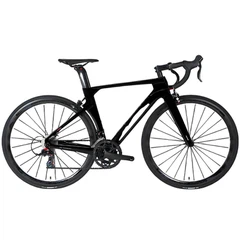
Road bikes typically use 700c wheels. This size supports steady speed and efficient rolling on pavement. It works best with narrower tires and a consistent cadence.

Mountain Biking
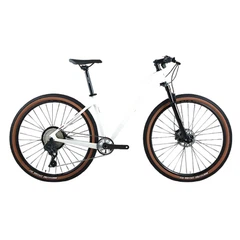
Mountain bikes usually come with 27.5-inch or 29-inch wheels.
27.5-inch wheels feel more agile on tight trails.
29-inch wheels roll more smoothly over rocks and roots and feel stable at higher speeds.
Your choice depends on whether you value maneuverability or rollover ability.
Gravel Riding
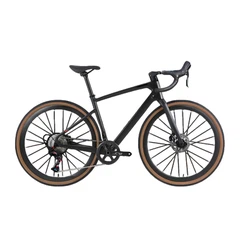
Gravel bikes often use either 700c or 650B wheels. 700c works well with moderate-width tires for mixed terrain. 650B allows wider tires while keeping the overall wheel height manageable.
If you ride rough gravel and want extra comfort, 650B may suit you. If you mix road and gravel, 700c offers versatility.
Fat Biking
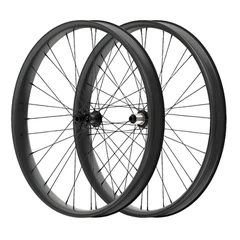
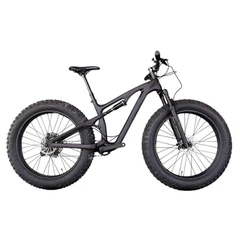
Fat bikes use wide rims paired with large-volume tires, commonly in 26-inch or 27.5-inch sizes. The goal is improved traction on snow, sand, and loose terrain. Wider rims help support these oversized tires and increase stability.
BMX and Urban Riding
BMX bikes use smaller 20-inch wheels. This size supports quick acceleration and precise control during jumps or tricks.
Carbon Fiber Rims Options by Riding Type
After choosing the appropriate wheel size for your riding style, the next step is selecting a rim structure that fits your build goals. Carbon fiber rims are available across multiple wheel diameters, allowing you to match material choice with the size you have selected.
Whether you ride 700c, 650b, 27.5-inch, 29-inch, or fat bike setups, carbon rim options are designed to fit standard hub and tire configurations within each category. This ensures compatibility without changing your intended geometry or riding position.

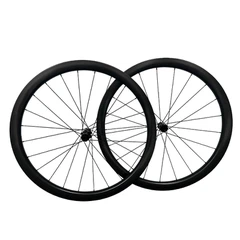
Carbon Road Rims
Send Inquiry Now

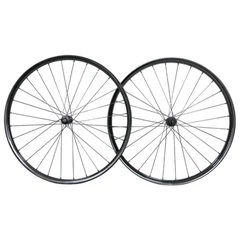
Carbon MTB Rims
Send Inquiry Now

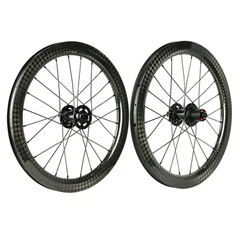
Carbon Rims BMX
Send Inquiry Now

Carbon Rims Gravel
Send Inquiry Now

Carbon Fat Bike Rims
Send Inquiry Now
Custom Carbon Wheel Builds
Most riders use standard wheel sizes without problems. But sometimes your bike setup does not feel quite right, even after choosing the correct diameter.
When Standard Options Don't Fully Fit
You might notice that:
Your tire clearance is tight with wider rubber.
Your preferred hub standard is not available in a stock wheelset.
You want a specific internal rim width that matches your tire choice.
You are building a bike from scratch and want full control over the spec.
In these situations, a custom carbon wheel build gives you more flexibility.
What Actually Changes in a Custom Build
A custom setup usually focuses on practical details: rim width, spoke count, hub type, and sometimes rim depth. These changes are small, but they can affect durability, stiffness balance, and compatibility.
It is not about chasing numbers. It is about making sure every component works together with your frame, tires, and riding style.
A custom build makes the most sense when you already know what you want to adjust.

Carbon Road Bike Wheels
Send Inquiry Now

Carbon MTB Bike Wheels
Send Inquiry Now

Carbon Wheels Gravel
Send Inquiry Now

Carbon Fiber BMX Wheels
Send Inquiry Now

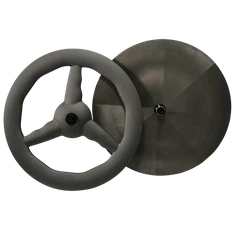
Carbon Time Trial Wheels
Send Inquiry Now

Carbon Fiber Fat Wheels
Send Inquiry Now
How Rider Height Affects Wheel Size
Your height influences how a bike feels beneath you. While frame size is the primary factor in fit, wheel size also plays a role in balance and control.
Overall Proportions
If you are a taller rider, larger wheels, such as 29-inch or 700c, often feel more proportionate to your body size. The bike may appear and handle more naturally, especially at higher speeds.
Shorter riders sometimes prefer slightly smaller wheels. A smaller diameter can make the bike feel easier to manage and less intimidating when stopping or maneuvering in tight areas.
Stand-Over and Clearance
Wheel size affects stand-over height and overall frame geometry. Larger wheels can raise the bike slightly, which may reduce clearance for some riders. Before choosing a bigger wheel, check how comfortably you can straddle the frame.
Fit Still Comes First
Wheel size should complement proper frame sizing, not replace it. If your frame fits correctly, most riders can adapt to more than one wheel diameter. The goal is to find a setup that feels stable and comfortable during real rides, not just on paper.
Tire Width and Internal Rim Width Compatibility
Wheel diameter tells you the overall size, but internal rim width determines how your tire actually sits and performs.
How the Tire Sits on the Rim
When you mount a tire, its shape depends on the internal width of the rim.
A narrow rim makes the tire taller and more rounded.
A wider rim spreads the tire outward, making it flatter and wider.
This changes the contact patch, cornering feel, and pressure range.
What Happens If They Don't Match
If the rim is too narrow for the tire, the sidewalls can feel unstable during turns. The tire may squirm at lower pressures.
If the rim is too wide for the tire, the sidewalls can be overstretched. This reduces protection and may affect bead security.
Neither setup performs as intended.
Finding a Balanced Setup
Most tire manufacturers provide recommended internal rim width ranges. Staying within that range ensures the tire maintains its designed profile and pressure behavior. Compatibility is not about choosing the widest rim or tire. It is about making sure both components work together as a system.
FAQ
Q: Can I use wider tires without changing wheel size?
A: Yes, as long as your frame and rim support the width. Wheel diameter stays the same, but tire width can change within safe compatibility limits.
Q: Is it possible to switch between 700c and 650B on the same bike?
A: Some gravel frames allow both sizes, but only if tire clearance supports it. Switching sizes may change bottom bracket height and handling feel. Always check your frame specifications before trying both setups.
Q: How do I check my current wheel size?
A: You can usually find the size printed on the tire sidewall. It may appear as 29 x 2.2, 700 x 25c, or a similar format. This marking tells you both the diameter and the tire width. If you are unsure, measuring the tire diameter alone is not enough - always confirm the full specification.
Q: Does changing wheel size affect brake compatibility?
A: Yes, it can. Rim brake bikes are especially sensitive to wheel diameter changes because brake pads must align with the rim surface. Disc brake bikes are more flexible, but frame clearance still limits what sizes you can install.
Q: Does wheel size influence tire pressure range?
A: Indirectly, yes. Larger wheels are often paired with wider tires, which typically run at lower pressures. Smaller wheels with narrow tires usually require higher pressure. Always follow tire manufacturer guidelines rather than adjusting pressure based only on wheel diameter.
Q: Does wheel size affect spoke tension or wheel strength?
A: Wheel diameter can influence how forces are distributed across the spokes. Larger wheels may require careful tension balance to maintain stiffness. However, overall strength depends more on rim design, spoke count, and build quality than on diameter alone.
Conclusion
Wheel size is not a trend decision. It is a practical one. The size you choose changes how your bike feels every time you ride, how quickly it picks up speed, how stable it feels on descents, and how confident you are on rough ground.
If you ride tight, technical trails, maneuverability may matter more to you. If you spend hours on open gravel or long road rides, stability and smooth rolling may become more important. There is no single "best" size. There is only the size that fits your terrain, your frame, and your riding habits. Before upgrading, check clearance, hub standards, and tire compatibility. Small details often make the biggest difference.
At Carbon World, we focus on building carbon fiber rims that match real-world wheel sizes and common bike standards. If you are planning a new wheel build or considering an upgrade, reviewing your wheel size and rim setup together will help you avoid costly mismatches and create a setup that feels right on the road or trail.


