





More cyclists are choosing carbon fiber frames, and the reason goes beyond weight alone. A good carbon frame can change how a bike feels on climbs, rough roads, and long rides. It can also give designers more freedom to balance stiffness, comfort, and overall ride quality.
That is why carbon fiber keeps getting attention across road, MTB, and gravel categories. Riders are not only looking for a lighter bike. They also want better efficiency, smoother handling, and a frame that matches the way they ride. In this article, you will see why cyclists prefer carbon fiber frames, how they compare with other frame materials, and what to consider before choosing one.
What Is a Carbon Fiber Bicycle Frame
A carbon fiber bicycle frame is a bike frame made from carbon fiber fabric and resin. Unlike metal frames, it is built as a composite structure, which allows engineers to adjust the layup to change stiffness, weight, and ride feel.
This is one of the main reasons carbon fiber stands out. It is not only light. It also gives more control over how the frame performs in different riding conditions. That makes carbon fiber a popular choice for road, MTB, and gravel bikes, especially when riders want a balance of low weight, comfort, and efficient power transfer.

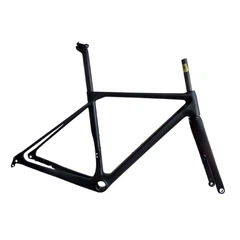
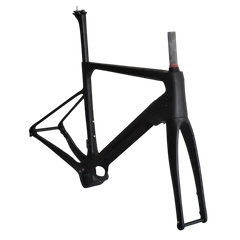
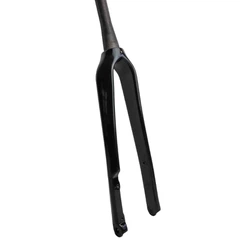
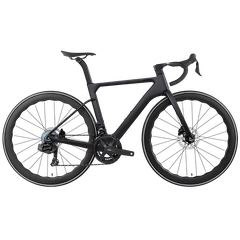
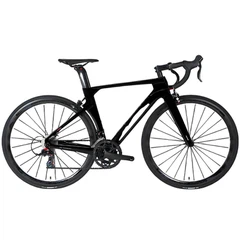
Carbon Road Frame Bike
Send Inquiry Now

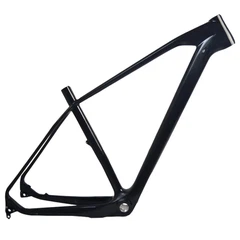
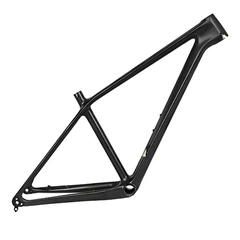
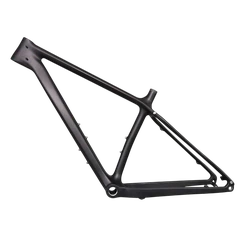
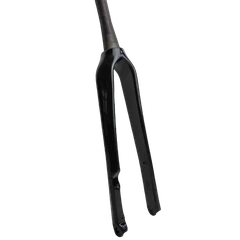
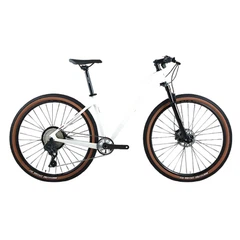
Carbon MTB Frame Bike
Send Inquiry Now

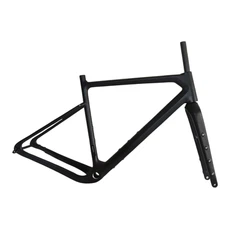
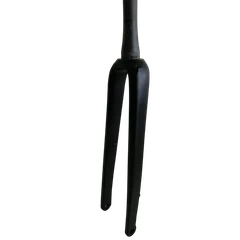
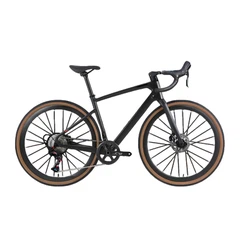
Carbon Gravel Frame
Send Inquiry Now

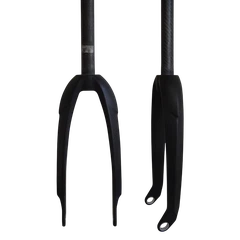
Carbon Frame BMX Bike
Send Inquiry Now

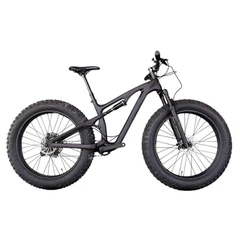
Carbon Fat Frame
Send Inquiry Now

Carbon E-bike Road Frame
Send Inquiry Now

Carbon Fat Bike Frame 26er
Send Inquiry Now

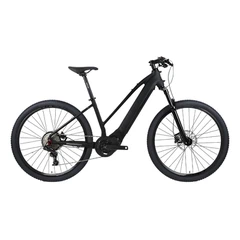
Carbon E-bike Frame MTB
Send Inquiry Now

Carbon E-bike MTB Frame
Send Inquiry Now
Why Cyclists Prefer Carbon Fiber Frames
Carbon fiber frames have become popular because they improve more than just bike weight. Riders often choose them for a better balance of speed, comfort, and control across different types of riding.
Lightweight Performance for Road, MTB, and Gravel
A lower frame weight can make a bike feel quicker on climbs and easier to handle over long distances. For road riders, that often means better acceleration and less effort on hills. For mountain and gravel riders, lower weight can also help with handling and reduce fatigue on rough terrain.
Better Comfort on Rough Surfaces
Carbon fiber can help reduce road and trail vibration. This does not mean the ride feels soft in every case, but it can make the bike feel smoother over broken pavement, gravel, and uneven trails. On longer rides, that added comfort can make a real difference.
Efficient Power Transfer
Carbon frames are often designed to stay stiff in key areas, especially around the bottom bracket and head tube. This helps more of your pedaling effort go into forward movement, which is one reason many cyclists describe carbon bikes as responsive.
More Freedom in Frame Design
Unlike many metal frames, carbon fiber allows more shaping freedom. That gives manufacturers more room to adjust aerodynamics, frame tubing, cable routing, and ride feel. For riders, that can mean a frame that performs better for a specific discipline instead of using a one-size-fits-all approach.
Carbon Fiber Frames vs Aluminum, Steel, and Titanium
When selecting a bike frame, understanding how carbon fiber compares to other materials can help you make an informed choice. Here's a simple comparison of carbon fiber with aluminum, steel, and titanium:
| Material | Weight | Ride Feel | Design Flexibility | Durability | Price Range | Best For |
|---|---|---|---|---|---|---|
| Carbon Fiber | Very light | Balanced stiffness and vibration damping | Very high | Strong, but should be inspected after impact | Higher | Riders who want low weight, comfort, and performance |
| Aluminum | Light | Stiff and direct, but can feel harsher | Limited | Durable and corrosion-resistant | Mid-range | Riders looking for lower cost and solid performance |
| Steel | Heavier | Smooth and stable | Limited | Very durable, but needs rust protection | Low to mid-range | Riders who value comfort and a classic ride feel |
| Titanium | Light to medium | Smooth and lively | Moderate | Very durable and corrosion-resistant | High | Riders who want long-term durability and premium ride quality |
Are Carbon Fiber Frames Good for Road, MTB, and Gravel Bikes?
Carbon fiber frames can work well across road, MTB, and gravel bikes, but the reason is not the same for each category. The value of carbon depends on how the frame is designed and what kind of riding you do most.

Road Bikes
For road bikes, carbon fiber is often chosen for lower weight, better climbing feel, and efficient power transfer. It can also help reduce road vibration on longer rides, which makes it attractive for both racing and endurance setups.
MTB Bikes
For mountain bikes, carbon fiber can improve handling by reducing frame weight and allowing more refined shaping. A well-designed carbon MTB frame can feel responsive on climbs while still offering good control on rough trails.
Gravel Bikes
For gravel bikes, comfort and stability matter just as much as speed. Carbon fiber can help absorb more trail vibration and give manufacturers more freedom to tune the frame for mixed terrain. That is one reason many riders see carbon as a strong option for long gravel rides and rough backroads.
What to Know About Durability, Maintenance, and Frame Testing
Carbon fiber frames are often chosen for their low weight and performance, but durability is just as important. A carbon frame is not only about speed or stiffness. It also needs to handle repeated riding, changing road conditions, and the small stresses that build up over time. A well-made carbon frame can last for years when the design, layup, and manufacturing are done properly, and when the frame is used and maintained in a sensible way.
Long-Term Durability in Real Riding
One reason many cyclists trust carbon fiber is that it performs well under repeated use. During normal riding, a frame goes through constant loading from pedaling, cornering, braking, and road vibration. Carbon fiber can be engineered to manage these forces efficiently, which is why it is widely used in modern road, MTB, and gravel bikes. Still, long-term performance depends on more than material alone. Frame design, resin quality, layup control, and manufacturing consistency all play a role in how the frame holds up over time.
Maintenance Is Still Important
Carbon fiber does not rust like steel, and it does not have the same corrosion concerns as some metal frames. That is an advantage, but it does not mean the frame should be ignored. Regular cleaning helps you spot scratches, chips, or visible surface damage earlier. It is also a good idea to inspect high-stress areas from time to time, especially after crashes, transport damage, or hard impacts. Keeping the frame clean and checking it regularly is a simple way to protect long-term performance.
Why Frame Testing Matters
Durability is not only something you judge after years of riding. It also starts with how the frame is tested before it reaches the rider. Fatigue testing helps evaluate how the frame responds to repeated stress over time. Impact testing looks at how it behaves under sudden force. These tests matter because real riding is not perfectly smooth or predictable. A frame that performs well in controlled testing is more likely to deliver stable performance in real use.
Quality Control Affects Long-Term Performance
Testing alone is not enough without good manufacturing control. Carbon fiber frames depend heavily on material consistency, accurate layup, proper curing, and careful finishing. Small differences in production can affect weight, stiffness, and long-term reliability. That is why quality control is such an important part of carbon frame manufacturing. In the end, durability comes from the full process, not just from the words "carbon fiber" on the product page.
What to Consider Before Choosing a Carbon Fiber Bike Frame
Choosing a carbon fiber bike frame is not only about picking the lightest option. The better choice depends on how well the frame matches your riding needs, fit, and budget.
Frame Fit Comes First
A carbon frame may look impressive, but it still needs to fit you well. Frame size is important, but geometry also affects comfort and control. If the fit is wrong, even a high-end frame may not feel right on the road or trail.

Balance Budget and Quality
Carbon fiber frames come in a wide range of price levels. A lower price may work for basic needs, while a higher-end frame may offer better material control, finish quality, and overall refinement. The key is to choose a frame that matches your actual expectations, not just the lowest weight or price.
Think About Your Long-Term Goals
It also helps to think beyond the first ride. Are you buying for casual riding, regular training, or a more performance-focused setup? A frame should make sense not only for what you need now, but also for how you plan to ride over time.
Why OEM and Custom Carbon Frames Matter
Not every carbon frame project follows the same goal. Some riders want a frame that fits their riding style more closely. For brands, the focus is often broader. Geometry, finish, layout, and product consistency can all affect how the final frame performs and how it is positioned in the market.
Better Control Over Design Direction
OEM and custom carbon frame development give brands more control over the final product. That may include frame shape, surface finish, branding details, cable routing, and other design features that help the frame match a specific product line or rider group.
More Flexibility for Product Positioning
A custom approach also makes it easier to build frames for different needs. One project may focus on lightweight road performance, while another may aim for gravel comfort or trail control. Carbon fiber gives more freedom in shaping and tuning than many traditional frame materials, which is why it fits well with OEM and ODM development.
Manufacturing Consistency Still Matters
Custom design only works well when production quality stays consistent. Material control, layup accuracy, curing, and finishing all affect the final result. For brands and product developers, this is often just as important as the frame concept itself.
FAQ
Q: Are carbon fiber frames too fragile for everyday riding?
A: Not necessarily. A well-made carbon frame can handle normal daily riding very well. The key issue is not whether it is carbon, but how well the frame is designed and manufactured. Like any performance frame, it should still be checked after a crash or hard impact.
Q: Are carbon frames only for racers?
A: No. Racing is only one use case. Many riders choose carbon frames for reasons that have nothing to do with racing, such as lower weight, smoother ride feel, and better fit with modern frame design.
Q: What should brands look for in an OEM carbon frame supplier?
A: Brands should look beyond appearance alone. Design capability, manufacturing consistency, layup control, quality inspection, and the ability to support custom requirements all matter when choosing an OEM carbon frame partner.
Q: Is a more expensive carbon frame always better?
A: Not always. A higher price may reflect better material control, lower weight, or more refined finishing, but price alone does not guarantee the best choice for every rider. The better frame is the one that matches your riding goals, fit, and quality expectations.
Q: Can carbon frames be customized for geometry and finish?
A: Yes. One of the main strengths of carbon fiber is that it allows more freedom in frame shaping and design details. That makes it easier to develop custom geometry, finish options, and brand-specific frame concepts.
Q: Does frame finish affect the performance of a carbon bike frame?
A: Usually, the finish has more to do with appearance and surface protection than core ride performance. What matters more is the frame structure, layup design, and manufacturing quality.
Q: Are all carbon bike frames made in the same way?
A: No. Two carbon frames may look similar from the outside, but they can differ a lot in material control, layup method, curing process, and quality inspection. That is why production quality matters so much.
Conclusion
Choosing a carbon fiber frame is not only about following a trend. It is about understanding what kind of ride you want and what kind of frame can support it best.
For many cyclists, carbon fiber stands out because it brings several important advantages together. It can reduce weight, improve ride feel, and give designers more freedom to shape the frame around real riding needs. Traditional materials still have value, but carbon fiber often makes more sense when performance, comfort, and design flexibility all matter.
If you are comparing frame options for a new bike project, it helps to look beyond surface features and focus on fit, structure, and manufacturing quality. And if you are exploring OEM or custom carbon frame development, Carbon World can be a useful starting point for discussing frame design, finish options, and production direction for your next carbon fiber bike frame project.


