

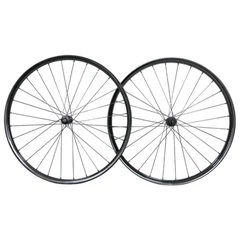
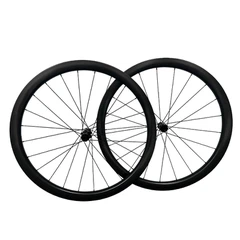
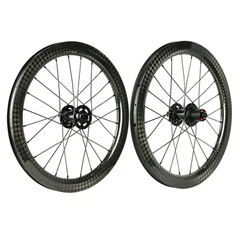
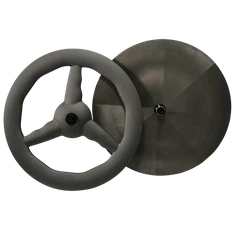
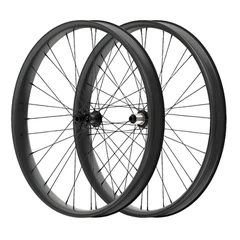
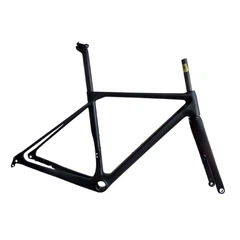
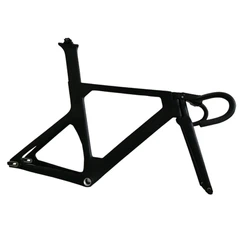
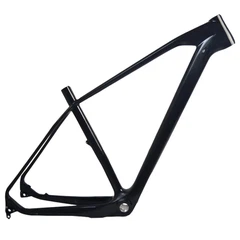
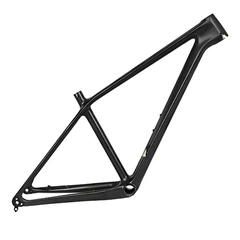
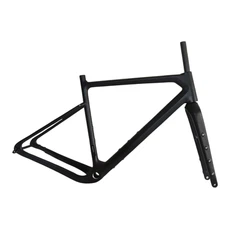
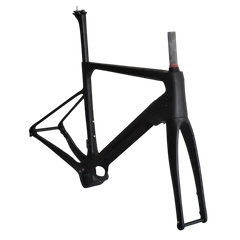
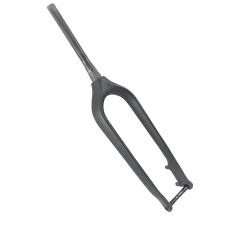
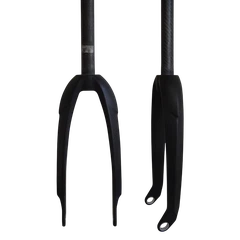
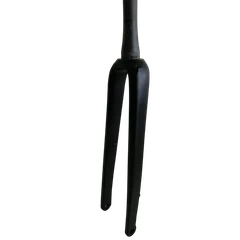
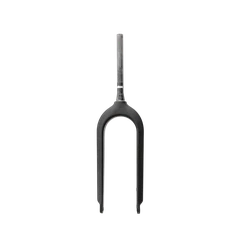
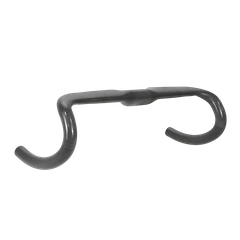
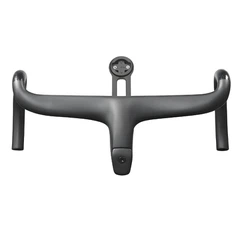
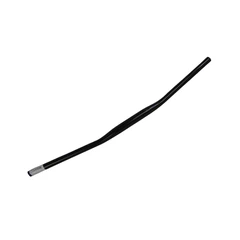
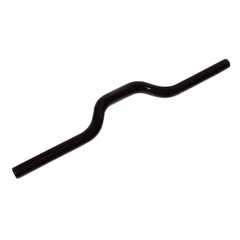
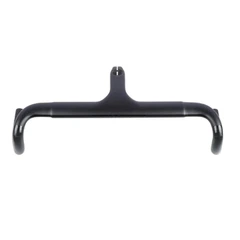
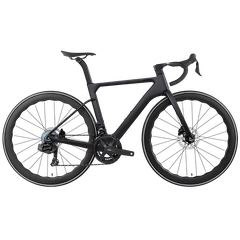
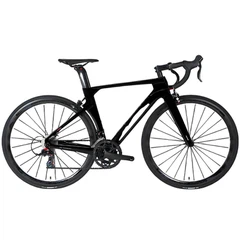
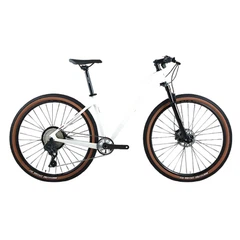
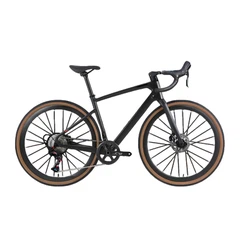
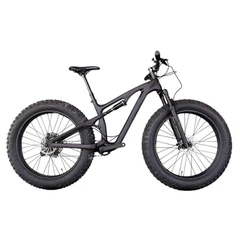
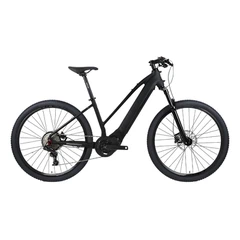
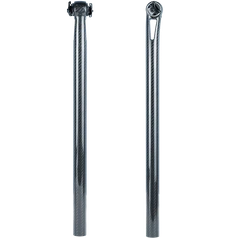
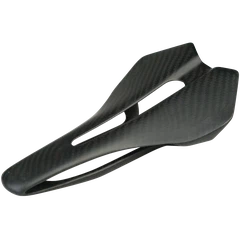

A carbon fiber bike is an excellent investment if you want both durability and a lightweight bike that you can take anywhere. Investing in a great carbon fiber bike is an excellent idea, but you also want to have the best wheels possible for it. Checking the different types of bike wheels is a great approach, as you want to see which ones fit your requirements the most.
Why Should You Consider Getting A Carbon Fiber Bike?
The main appeal of having a carbon fiber bike is certainly its weight advantage. You have less weight, and when you pair it with lightweight wheels, it just makes the experience even better. Moreover, a carbon fiber bike tends to be stiffer, yet more responsive when compared to one made out of aluminum. And we should also keep in mind the aerodynamics. These bikes are designed with great aerodynamics in mind, which can make them even better during sprints and climbs. But as we said, finding the different types of bike wheels that work with it is just as important.
What's The Ideal Rim Profile And Depth?
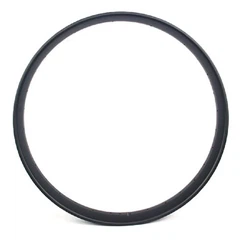
Upon choosing any wheel for your carbon fiber bike, it's very important to check the depth and profile of the rim. Depending on the bike, you may go with one of the different options. With that in mind, each of them offers a very specific approach.
Shallow rims of 25-35 mm are the best for endurance rides and climbing. They are lighter, which means they can be very good for all-purpose riding. And yes, they are great, especially if you climb often, which is something to take into consideration.
Mid-depth rims are anywhere from 40 to 55 mm, and they offer a great balance between weight and aerodynamics. They are great for road riding, with most of these being extremely good for racing, but also for leisure rides.
Then, we have deep-section rims that are 60 to 90 mm or more. These are very well optimized with aerodynamics in mind, and they are heavy, which can affect the crosswinds. Here's where you will see the carbon at work, and the overall results are quite impressive.
Spoke Configuration
When getting the different types of bike wheels, you do need to check the overall configuration. The low spoke count of up to 24 spokes is usually great for aero road wheels and triathlon. If you have fewer spokes, that reduces weight and drag, but you sacrifice stiffness and strength, so keep that in mind.
When you go for 28 to 36 spokes, that's more suitable for touring, cyclocross, or gravel. You get better load distribution and strength, which can prove to be a major advantage. And not only that, but the carbon bike rims in general will benefit from a higher spoke count if you want improved responsiveness and durability.
You can also go the balded and aero spokes route. These can be an option, but you won't get more than marginal performance gains. That being said, it can still be a rather good solution to consider, especially if performance is your primary focus when using a carbon fiber bike.


Materials Used
Aluminum is a good material because it's inexpensive, yet still rather strong and durable. The downside is that an aluminum wheel is always going to be less stiff and heavier. Aerodynamics are also rather limited if you go the aluminum route, which is something to take into account here.
When you choose carbon fiber, you have a rigid and lightweight material that gives excellent stiffness, weight, and aerodynamics. Carbon fiber is particularly beneficial for improved shock absorption. That's something a regular aluminum bike wheel is not going to be very good at. However, with carbon fiber, you get a better result, even if it's a more expensive material.
Engineering Design of Carbon Fiber Wheelsets
The manufacturing of carbon fiber wheelsets is not a simple molding process, but rather a multi-layered engineering design that balances strength, stiffness, weight, and durability. First, carbon fiber sheets are carefully cut and arranged at specific angles. The orientation of each layer controls the rim's response to pedaling forces, cornering loads, and impacts from rough terrain.
Engineers reinforce high-stress areas such as spoke holes, rim seats, and brake rims. These areas bear concentrated tensile and compressive forces, requiring strategic material additions while avoiding unnecessary weight gain in other areas.
High-quality resin enhances heat resistance and impact resistance, particularly beneficial for rim braking systems. After molding and curing under controlled pressure and temperature, each rim undergoes testing for balance, alignment, and structural integrity.

Types Of Bike Tires
When choosing the different types of bike wheels, it makes a lot of sense to narrow down the best bike tires you can opt for. Keep in mind that every bike tire is going to have pros and cons, so it's important to know those beforehand, as it will make things easier.

Tubular tires
One thing to note about tubular tires is that they are glued to the rim. Because of that, the rim lacks walls, and you have a flat surface. They raised the central groove a bit, as it adds more stability. Most of the time, these tubular tires can be great in professional cycling and cyclocross. They are very light; however, despite that, the mounting is very complicated, which makes on-the-road repairs challenging to do.
Clincher
Clincher tires are the most common, and they use a tube between the rim and tire, which, once inflated through the valve, leads to a more consistent, cohesive result. What's great about this system is that you can repair the tire on the road more easily. However, the issue here stems from the overall weight, although you can find some light clincher tires, so that's definitely a thing to consider.
Tubeless
If you want to gain some ground when it comes to road cycling, tubeless tires tend to be the better option. They are very effective when it comes to gravel and mountain biking. Usually, these tires are compatible with the inner rim's width. You do need to respect the manufacturer's guidelines and info, but if you do so, it can deliver excellent value!
Should You Choose Aluminum Or Carbon Fiber Rims?
Both of them can be solid options, but they do come with both pros and cons. Here's what you need to know when choosing the right rims for your bike!
| Feature | Carbon Fiber Wheels | Aluminum Wheels |
| Weight | Lighter overall, especially in rotational mass, improving acceleration and climbing efficiency. | Heavier than carbon, weight is more noticeable during climbs and quick accelerations. |
| Stiffness-to-Weight Ratio | Excellent stiffness with reduced weight, maximizing power transfer. | Good stiffness but requires more material, increasing overall weight. |
| Aerodynamics | Easily molded into deep aerodynamic rim profiles for higher speeds. | Limited rim shaping; less aerodynamic at high speeds. |
| Ride Comfort | Better vibration damping due to carbon layup design. | Transfers more road vibration to the rider. |
| Impact Resistance | Strong but may crack under sharp, extreme impacts. | More dent-resistant; tends to bend instead of crack. |
| Durabilit | High fatigue resistance when properly manufactured. | Durable for daily use but may fatigue over time under heavy stress. |
| Braking Performance | Excellent with disc brakes; rim brake performance depends on brake track quality. | Consistent braking, especially with rim brake systems. |
| Maintenance | Requires regular inspection for cracks after heavy impacts. | Easier to maintain; damage is usually visible and predictable. |
| Repairability | Limited repair options; severe damage usually requires replacement. | Minor dents may still be usable; easier to service. |
| Cost | Higher upfront investment for performance gains. | More affordable and budget-friendly. |
| Best For | Performance-focused riders, racers, and climbing specialists. | Casual riders, training bikes, budget-conscious users. |
What Type Of Brake Should You Consider?
It's very important to select a dependable brake for your bike wheel as well. The important option in this case is to pick one of the following:
Rim brakes are good because they use pads that allow the wheel to stop, but their downside is that those brakes are not the most dependable and could lead to issues.
Coaster brakes are more common on bikes that children mostly use. With that in mind, these have a mechanism that, when you pedal backwards, the system will brake, and thus you stop.
Fixed gear brakes are designed to stop when you pedal in the opposite direction. A lot of people use them because they are low-maintenance, designed to be simple, light, and still very effective.
Disc brakes are meant to be more suitable for road bikes, among many others. These are extremely dependable and effective, and they can withstand wet environments. The fact that they have a rotor fixed onto the hub does help, and it makes the brake more effective.
When choosing a bike wheel, the idea of bringing you excellent results and value does help quite a bit. And while there are obvious challenges that arise, each brake type has its upsides, which makes it worth using.
The Kinds Of Wheels You Can Buy For Your Bike
What's great about choosing different types of bike wheels is that they have all kinds of use cases and features. That's why it becomes very important to narrow down the right wheel type that fits your requirements.
Front wheels are right where the fork is attached, and the size of these wheels will vary based on the mode. They have many designs; usually, you have 32 or 36 spokes, but some go up to 48. That being said, some of the premium models are made out of carbon.
Rear wheels have a similar design to front wheels; the only difference is that they have fewer spokes, a lot of the time. The sprockets of your drive system are usually placed on the rear wheel. That adds a lot of importance to the rear wheel, so you can't have any option here.
Coaster brake wheels have a rear wheel that rotates freely on the fixed sprocket. Even if you stop pedaling, it will move onward regardless. And not only that, but if you want to apply the brakes, you need to pedal backwards, as it will allow you to slow down the bike without effort.
Complete wheels are designed to include everything needed to run properly. They have tires, tubes, and everything else required, which makes them an exceptional solution to consider.
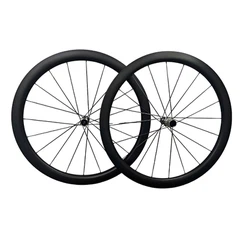
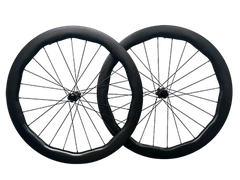
When you try to find the different types of bike wheels, you will notice there are wheel sets available as well. These sets are very good because you have 2 identical wheel types, and that can prove to be great in case you have issues with one of them. You can just switch them at any time, a system that delivers great reliability and ease of use.
Specialized, Road-specific Carbon Wheels
You have to understand that professional carbon fiber wheels offer not only excellent performance but also exceptional value. This is precisely why they boast such powerful performance and exceptional quality. That being said, you can find different types of bicycle wheels to suit your needs. Lightweight climbing wheels effectively reduce rotating mass, allowing you to accelerate effortlessly up hills. If you're heading to the mountains for a road race, lightweight climbing wheels are the perfect choice.
Additionally, you have the all-around aero wheels that are great for triathlons, very long cycling experiences, and the carbon layup makes them excellent if you want balance and great value from them. Another option can be the deep aero wheels. These wheels have a shape that's wind-optimized, and they mostly use aero frames. You will notice these are ideal for time trials or maybe even flat road races. These are extremely good and powerful, with results that truly impress you more than expected.
We should also note that there are wider internal rims that have support for wide tires, and these are more suitable for gravel events or joy rides. With that in mind, the quality you get from something like this is outstanding. Same with the cross-country carbon wheels, these are iconic, with a low spoke count, narrow rims, and they tend to be very light. However, in order to make the most out of these, you need to have an XC race course or at least a smooth trail. Otherwise, it won't work the way you want, and that can prove to be very challenging.
What Things Should You Consider When Choosing A Wheel For Your Carbon Fiber Bike?
That's the tricky situation, because you will have to consider a multitude of criteria and things, each with its own pros and cons. The thing you have to realize is that you will get different types of bike wheels, but the way you access them is just as important.
The rider's style and weight matter; if you're a larger person, you need more spokes, stiff rims, and strong wheels in general. Also, if you're mostly a descender, you want to have stuff like heat resistance and the best brakes that you can get out there.
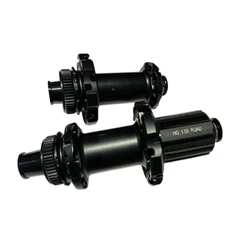
Hubs should not be overlooked because they will influence engagement speed, rolling resistance, and other factors. You will see that carbon wheelsets tend to have some of the best, high-end hubs.
Also, the discipline you are a part of matters. Why is that? If you are a road racer, you may want to go with the tubeless, mid-depth aero option. Mountain bikers can choose the enduro or XC wheels, and gravel riders need a reinforced layup for the wide tubeless wheels. Those are all great options, and it's a good idea to check them out for yourself.
You should always focus on finding the balance between weight and aerodynamics. Aero can be great for flat terrain and places where you have lots of wind. Light wheels are better for climb-heavy routes, too.
Also, you have to take into account the environmental conditions. If you have a windy region, the ultra-deep rims are not going to be very good. The same thing is valid when it comes to wet weather; you want to have disc brakes with tubeless tires in those situations.
Conclusion
The different types of bike wheels can make or break your performance when riding your bike. That's especially true if you focus on high-performance situations. Knowing what to focus on is crucial here because every person who wants a carbon fiber bike has different requirements. However, once you make the right purchase, you'll be amazed by the value and quality provided. It's important to assess your needs, narrow down the right model, and then adapt accordingly.
FAQ
Q: Are carbon fiber wheelsets worth buying?
A: If you're looking for lighter weight, higher rigidity, and better aerodynamics, then carbon fiber wheelsets are usually one of the most obvious upgrades. Wheelsets are rotating components, and reducing rotating mass directly impacts acceleration and climbing performance.
Q: How long do carbon wheels last?
A: With normal use and proper maintenance, high-quality carbon fiber wheelsets can last for many years. Carbon fiber has excellent fatigue resistance and doesn't deform as noticeably as metals. However, after prolonged high-intensity use, regular checks of the rim, spoke tension, and for structural damage are still necessary.
Q: Will they crack easily?
A: Modern carbon fiber wheelsets are designed with reinforced stress areas, such as the tire bead and spoke hole locations. They won't crack easily under normal riding. However, when subjected to strong impacts from sharp, hard objects (such as high-speed impacts with rocks), carbon wheels may develop cracks instead of dents like aluminum rims. Therefore, post-ride inspections are crucial.
Q: Can heavy riders use them?
A: Yes, but you need to choose the appropriate size. Heavier riders are generally advised to choose wheelsets with a higher number of spokes and a stronger rim design. The key is not the material itself, but whether the structural design and tension configuration match the rider's weight and riding intensity.
Q: Can carbon wheels be repaired?
A: Minor surface damage can sometimes be repaired by a professional, but for structural cracks or severe impact damage, replacement is generally recommended to ensure safety. Repairability requires professional assessment.
Q: Is it safe in the rain?
A: For disc brake systems, performance in the rain is basically the same as that of aluminum alloy wheelsets. For rim brake carbon wheels, modern brake pad technology has significantly improved wet braking performance, but it is still recommended to use matching brake pads and brake earlier in the rain.
Q: Are special brake pads needed?
A: Rim brake carbon fiber wheelsets usually require special carbon fiber brake pads to avoid overheating or reduced braking performance. Disc brake wheelsets are not affected by this.
Q: Is it suitable for daily riding?
A: Yes. Modern carbon fiber wheelsets are no longer just for racing. With proper selection and maintenance, they are also suitable for daily training and long-distance riding. The key is to match the riding environment and the intensity of use.


